
What is emotional agility and why does it matter in ECE?
- Emotional agility helps educators recognize their emotions and choose intentional responses.
- Emotionally aware adults help create environments where children feel safe.
- Empathy and psychological safety allow teams to navigate challenges.
- Small, consistent practice of reflection help build resilience over time.
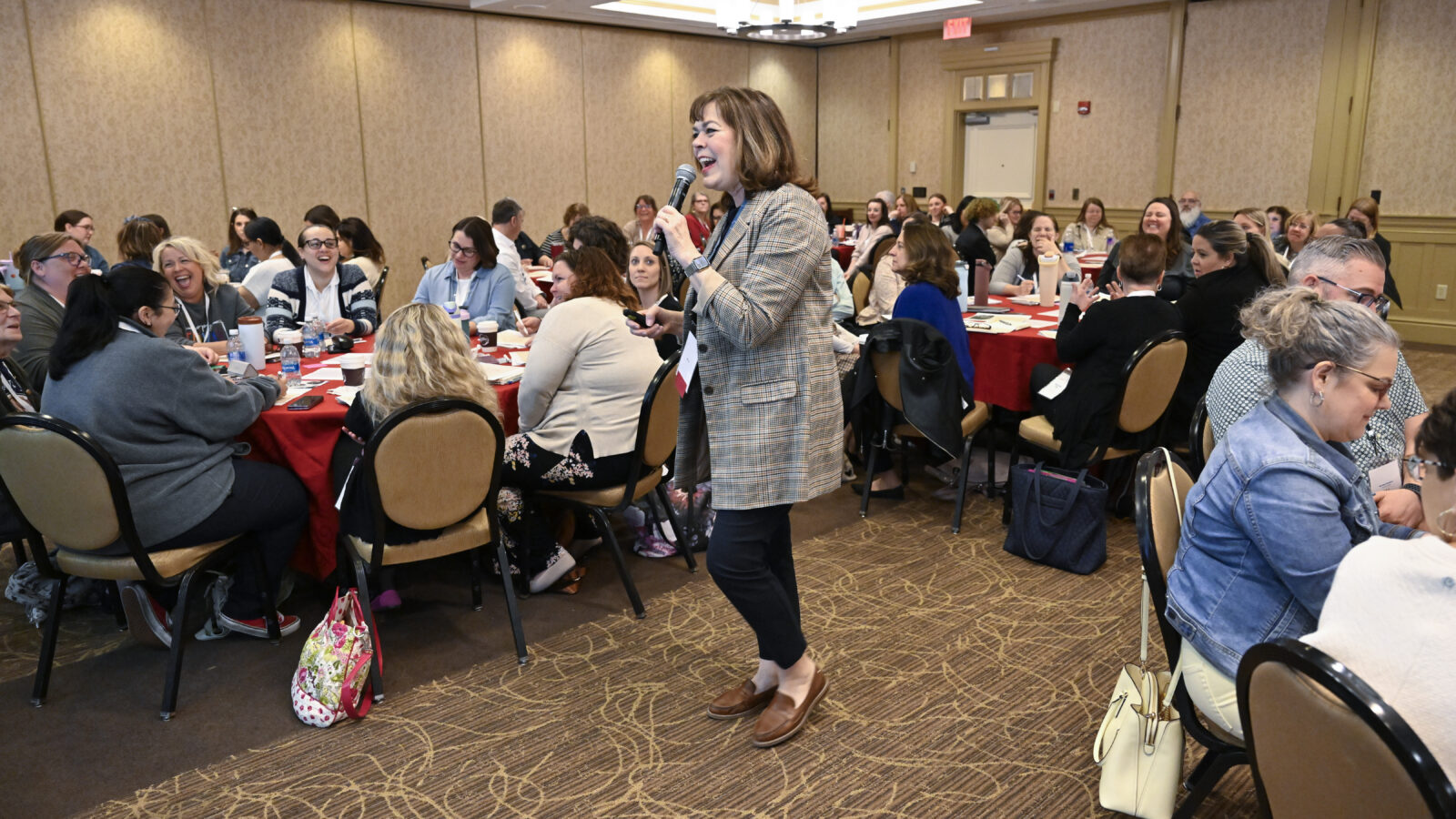
By Jolene Pickens, Founder, Now2Next (opens in a new tab)
Early childhood education is filled with rewarding experiences, but it also comes with stress, uncertainty, and unexpected challenges. How educators and leaders respond to those moments can influence not only their own well-being, but also the environments they create for children, families, and colleagues.
Emotional agility is a crucial aspect of how we respond. It is the ability to recognize what you’re feeling, acknowledge it honestly, and choose how to respond rather than allowing your emotions to drive your actions.
For early childhood professionals, this is especially important. Children and families are constantly observing the emotional state of the adults around them. When educators develop emotional agility, they help create environments where children feel safe enough to learn and families feel comfortable building trust.
Bringing Emotional Agility to the ECE Leaders Summit
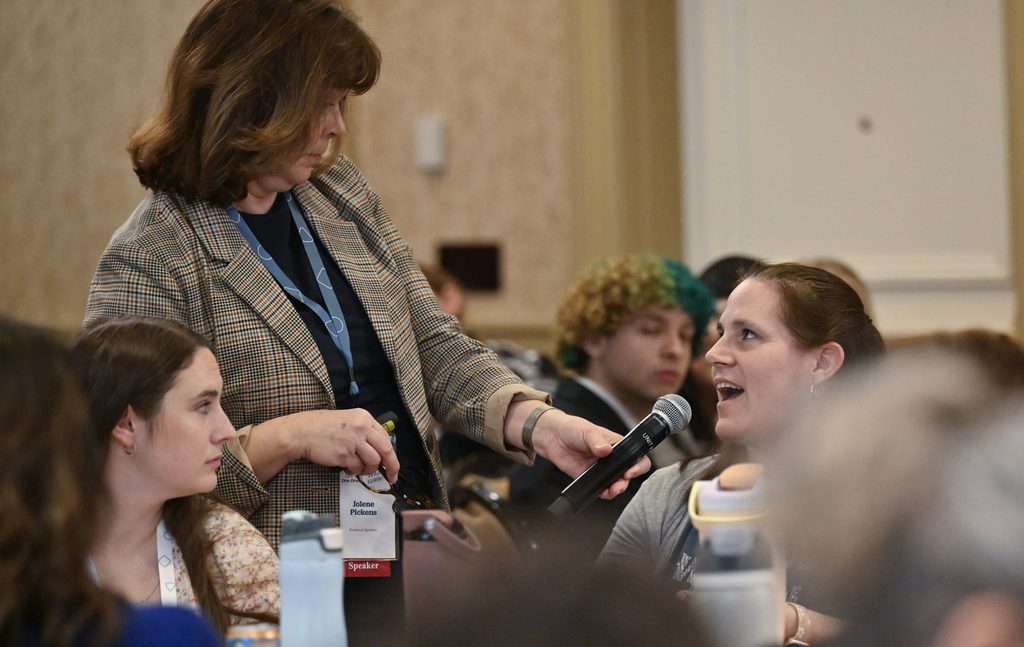
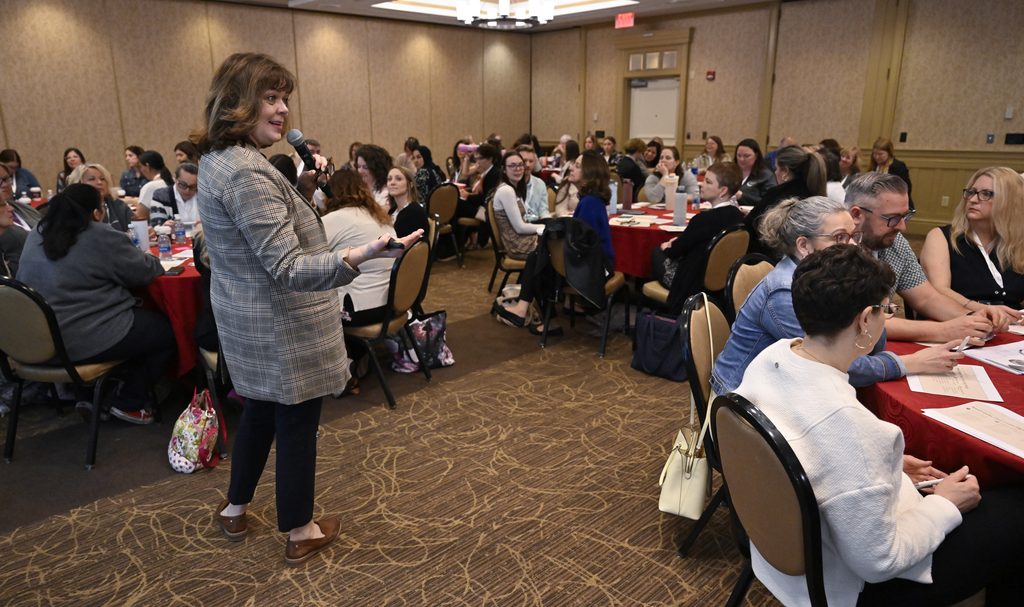
In March 2026, I had the opportunity to share Emotional Agility: Managing Stress, Change, and Uncertainty during a breakout session at the Catherine Hershey Schools for Early Learning (CHS) Early Childhood Education (ECE) Leaders Summit (opens in a new tab).

Together, we explored how emotional awareness, empathy, and intentional responses can strengthen individuals and teams. In a field where unexpected situations are part of everyday life, emotional agility helps professionals acknowledge difficult feelings while continuing to move forward together.
Rather than responding to disruption with forced positivity or shutting down, emotionally agile teams make room for honest conversations. It might sound like, “This is harder than we expected, and here’s what we’re going to do about it.”
This approach acknowledges challenges without losing sight of a shared mission, goals, and solutions.
Responding to emotions in the moment
Emotional agility means recognizing frustrating, fearful, or overwhelming moments and creating space to decide what comes next.
A few simple strategies can help educators and leaders navigate difficult moments:
- Name it to tame it: Putting a name to an emotion creates distance between what you’re feeling and how you respond.
- Take a physical pause: A few intentional breaths, a short walk, or unclenching your jaw can interrupt a stress response.
- Ask a different question: Instead of dwelling on how a situation makes you feel, ask, “What does this moment need from me?”
- Give yourself time: A phrase such as, “Let me think about that and come back to you,” creates space to process before responding.
These practices don’t require significant time or complicated routines. They simply help turn emotional awareness into intentional action.
Leadership’s role in building psychological safety
Emotional agility extends beyond individual practices. Leaders play an important role in creating environments where people feel comfortable acknowledging challenges, expressing concerns, and learning from one another.
This is the foundation of psychological safety. It develops through repeated interactions where vulnerability is met with respect rather than judgment.
Leaders help establish this environment by going first. When they openly acknowledge their own stress and demonstrate thoughtful responses to difficult situations, they give others permission to do the same.
Effective leadership also pairs empathy with accountability. Supporting someone through a difficult experience can help an individual move forward and does not remove expectations.
For example, saying, “I understand this is hard, and here’s how we move forward together,” communicates both understanding and a commitment to shared goals.
The power of empathy and different perspectives
Two people can experience the same disruption and respond in completely different ways. One might need to talk through a challenge, while another needs quiet time to process.
Empathy allows leaders and colleagues to recognize these differences without labeling either response as wrong.
In early childhood education, where teamwork is essential, understanding how others process stress and change can strengthen relationships. It also helps prevent teams from expecting everyone to approach challenges in the same way.
Listening, respecting different perspectives, and allowing colleagues room to process are small but meaningful ways to build a more connected and supportive team.
Building resilience through everyday practices
Resilience is often associated with how people respond during a crisis. However, it’s built through the everyday habits and relationships that help individuals navigate challenges before they arise.
Early childhood professionals can strengthen their resilience through simple daily practices:
- Start with a personal check-in: Take two minutes before entering the building to recognize how you’re feeling.
- Reflect at the end of the day: Identify one win and one difficult moment, considering what each taught you.
- Connect with colleagues: Brief peer check-ins help combat isolation and remind team members they aren’t navigating challenges alone.
- Recognize your strengths: Understanding what energizes you and what drains you can help you recover more effectively.
These practices reinforce an important idea: Resilience isn’t built in the crisis. It’s built in the ordinary Tuesday.
Sustaining emotional agility beyond the Summit
Professional development sessions can spark new insights, but lasting change happens when those lessons become part of an organization’s everyday culture.
Organizations can support emotional agility over time by:
- Modeling emotional awareness consistently, particularly through leadership.
- Establishing regular opportunities for reflection and connection.
- Creating shared language around stress, emotions, and change.
- Investing in people continuously rather than episodically.
No organization can eliminate stress or uncertainty. What it can do is build teams that are better equipped to navigate disruption together, with courage, transparency, and resilience.
When educators and leaders recognize their emotions, demonstrate empathy, and create space for honest conversations, they strengthen the relationships that support their entire community. Ultimately, emotional agility is about choosing how we move through challenges together, creating stronger teams and more supportive environments where children, families, and educators can thrive.
Read other recaps from Summit presenters here: Stu Semigran (opens in a new tab), Dr. Nefertiti Poyner (opens in a new tab), Prerna Richards (opens in a new tab).

CHS thought leaders in action: Supporting family economic mobility
At the Pennsylvania Child Care Association (PACCA) ECE Summit in October 2026, Catherine Hershey Schools for Early Learning (CHS) Strategic Partnerships Manager Lindsay Knepp and Family Success Support Manager Rebeca.....

What strengths-based teaching looks like
Every child enters the classroom with strengths. It might be a strong interest in animals, a talent for building, an ability to make friends, a love of music, a willingness.....

Building a culture of caring from the inside out
By Stu Semigran, Co-Founder, EduCare Foundation (opens in a new tab) When we talk about education, we often focus on mindset. This is how we think, how we approach challenges,.....

Strategies for building trust through home visiting
By Lindsay Knepp, Strategic Partnerships Manager at Catherine Hershey Schools for Early Learning (opens in a new tab) For those of us who work in early childhood education, the practice.....
