
Building a culture of caring from the inside out
- A growth Heartset® creates environments where children and educators feel seen, heard, and valued.
- Strong learning communities begin with empathy, connection, and self-awareness.
- Small daily practices (such as listening, pausing, and encouraging others) help sustain a culture of care.
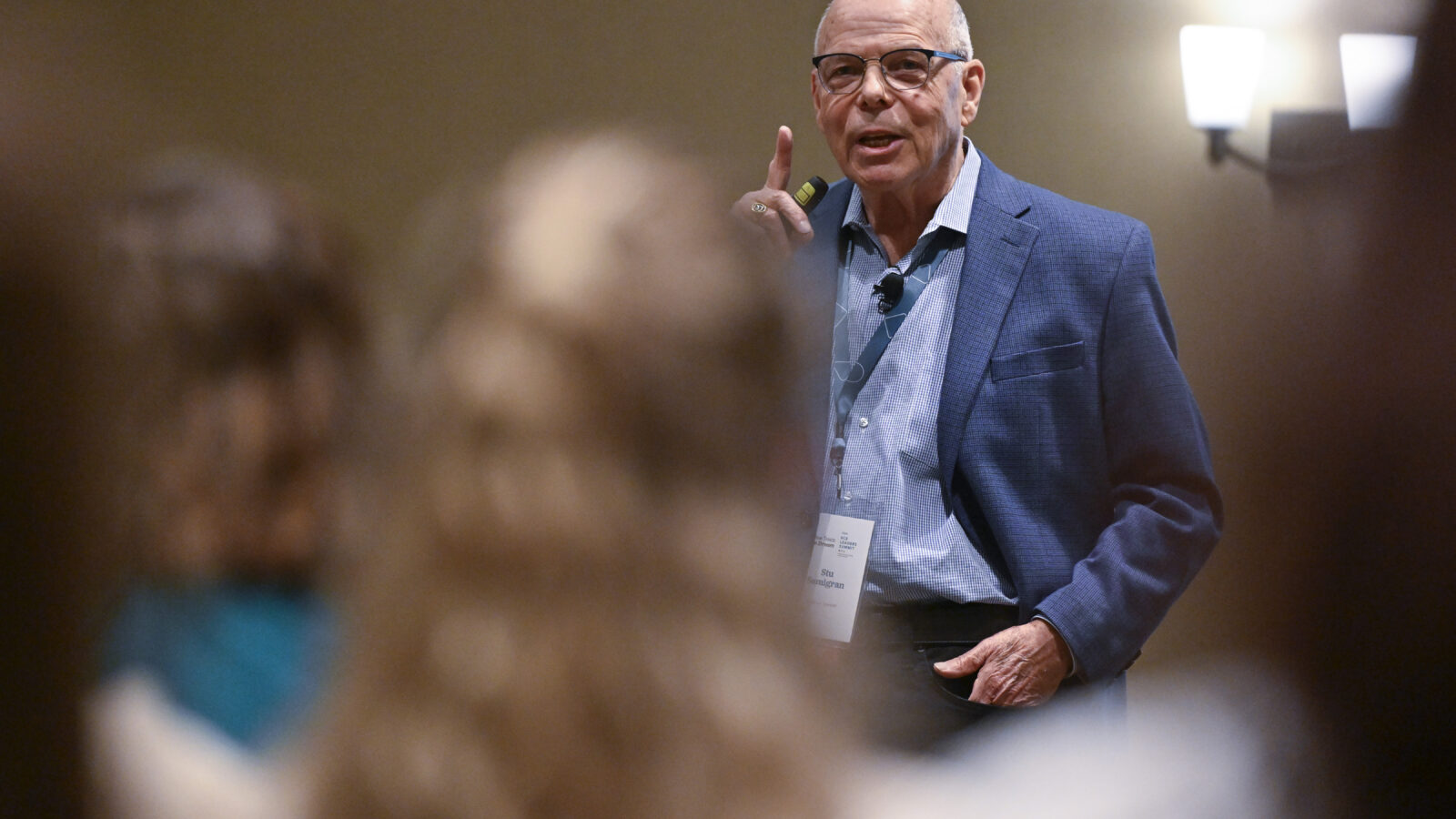
By Stu Semigran, Co-Founder, EduCare Foundation
When we talk about education, we often focus on mindset. This is how we think, how we approach challenges, and how we motivate ourselves to succeed. But equally important is our Heartset®, or what I describe as a frame of heart.
A growth Heartset® is grounded in kindness, compassion, and self-awareness. It creates an emotional climate where both educators and young learners can flourish, even amid uncertainty and stress. When classrooms and organizations lead with caring and connection, learning becomes more accessible because students’ hearts are open.
Bringing Heartset® Education to the ECE Leaders Summit
Recently, I had the opportunity to share Heartset® Education: A Culture of Caring during a breakout session at the Catherine Hershey Schools for Early Learning (CHS) Early Childhood Education (ECE) Leaders Summit. Together, we explored how cultivating compassion, empathy, and emotional awareness can strengthen not only classrooms, but entire educational communities.
This expands on traditional social-emotional learning by emphasizing relationships and human connection as the foundation of growth. It teaches educators, family members, and students alike to develop self-awareness, personal responsibility, empathy, and compassion — skills that help create environments where everyone feels valued and supported.
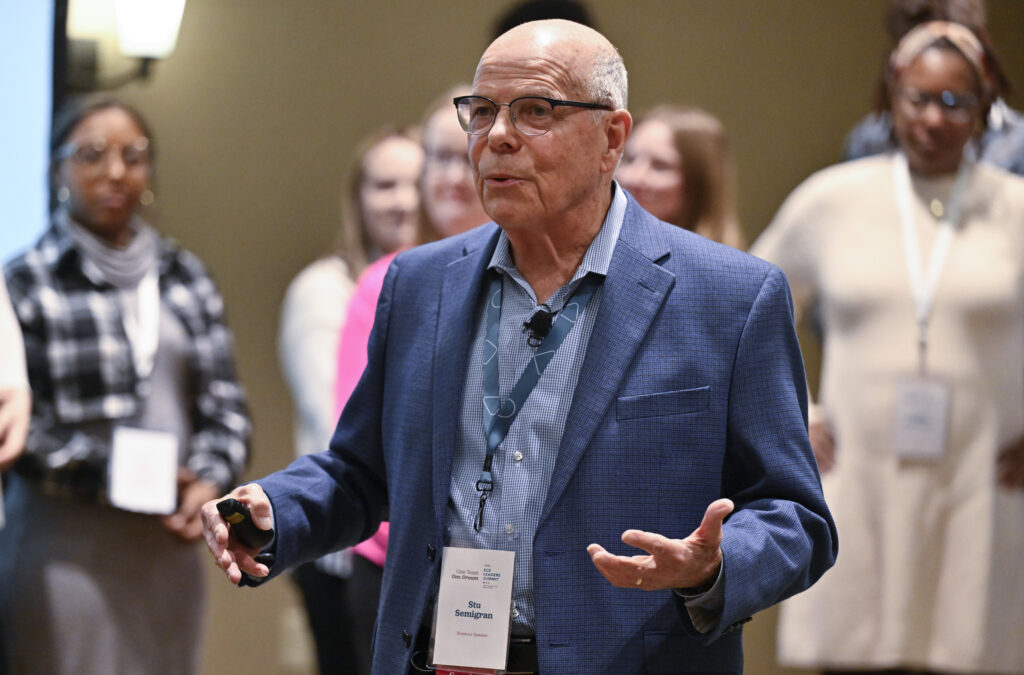
In early childhood education, these principles are especially important. The early years shape how children view themselves as learners and as members of a community. When children consistently experience being seen, heard, and respected, they develop curiosity, confidence, and a lifelong love of learning.
Closing the “love gap” in education
Across education, conversations often focus on achievement gaps or opportunity gaps. While these realities are important to address, we might also ask another question: What if many challenges students face stem from a “love gap,” a lack of consistent connection, empathy, and belonging?
When young people feel genuinely cared for, they are more resilient, more engaged, and better prepared to overcome obstacles both inside and outside the classroom. This insight captures a powerful truth: emotional safety and connection are prerequisites for meaningful learning.
One Team, One Dream: Building a positive program climate
This year’s Summit theme, One Team, One Dream, reflects the understanding that supporting children requires collective effort. Regardless of role — educator, administrator, family member, or support staff — everyone shares a common purpose: helping children thrive.
A positive educational climate emerges when teams intentionally practice empathy, listening, and mutual respect. Research consistently shows that environments where individuals feel safe, valued, and connected lead to increased motivation, improved behavior, and stronger academic outcomes.
Creating this climate begins with each individual. Developing compassion for ourselves — through self-awareness, forgiveness, and self-care — allows us to extend those same qualities to others. Organizational culture then becomes an “inside job,” growing outward from individual actions into shared community values.
The eight skills of Heartset® Education
Heartset® Education introduces eight core skills that educators can practice personally and model for children:
- Seeing the Best in Everyone – Honoring
- Positively Reinforcing – Praising
- Listening from the Heart
- The Power of Choice – Personal Responsibility
- Resolving Conflict
- Moving from Judgment to Forgiveness
- Turning Challenges into Learning Opportunities
- Giving and Receiving
These practices foster belonging and connection, which are essential human needs that support both educator well-being and child development.
Supporting educator well-being through mindfulness
Many professionals working with young children experience stress and emotional fatigue. Incorporating mindfulness and self-care into already busy schedules can feel unrealistic. Meaningful practices do not need to be lengthy or complex.
Short intentional pauses throughout the day — a brief walk, a few mindful breaths, music, laughter with colleagues, or moments of reflection — can reset energy and restore balance. These “joy breaks” help educators reconnect with themselves so they can more fully support others.
Mindfulness simply means maintaining awareness of our thoughts, feelings, and surroundings with a gentle and nonjudgmental perspective. Far from being a luxury or “extra,” research shows emotional awareness strengthens decision-making, resilience, and overall effectiveness.
Small actions that can create big change
A culture of caring is not built through grand gestures, but through consistent everyday actions. Educators and teams can begin with simple practices:
- Pause long enough to truly see others
- Listen to understand rather than respond
- Offer encouragement and acknowledgment
- Take time for intentional breaths throughout the day
- Celebrate successes together
These small choices and intentional practices gradually shape environments where kindness becomes the norm and relationships grow stronger.
Sustaining the conversation beyond the Summit
Professional development events spark inspiration, but lasting change happens through continued practice. Organizations sustain cultures of caring by embedding learned principles into daily interactions, team communication, and shared goals.
When educators model empathy, practice self-awareness, and support one another, they create learning communities rooted in trust and belonging. Over time, this culture becomes self-sustaining, creating a place where every child and adult knows they matter.
As Aristotle wisely noted, “Educating the mind without educating the heart is no education at all.” By nurturing both, early childhood programs can cultivate compassionate communities where children, families, and educators grow together.
Read other recaps from Summit presenters here: Dr. Nefertiti Poyner, Prerna Richards.

Strategies for building trust through home visiting
By Lindsay Knepp, Strategic Partnerships Manager at Catherine Hershey Schools for Early Learning For those of us who work in early childhood education, the practice of home visiting has emerged.....

How leadership styles impact early childhood outcomes
Early childhood educators are, by definition, leaders. They lead children daily toward their educational goals through high-quality, hands-on learning experiences. Outside the classroom, they may lead family engagement opportunities and.....

Why a two-generation approach matters for family success and child development
Franklin D. Roosevelt said, “We may not be able to prepare the future for our children, but we can at least prepare our children for the future.” Families are essential.....
How early learning classrooms can mitigate Adverse Childhood Experiences
By Dr. Rebekah Benedum (Ed.D), Senior Director of Programs at Catherine Hershey Schools for Early Learning When children come into an early learning setting for the first time, it can.....
