
What strengths-based teaching looks like
Strengths-based teaching helps early childhood educators recognize children’s abilities, interests, and experiences as assets and use them to support learning and development. Explore practical ways to bring a strengths-based approach into everyday classroom interactions.
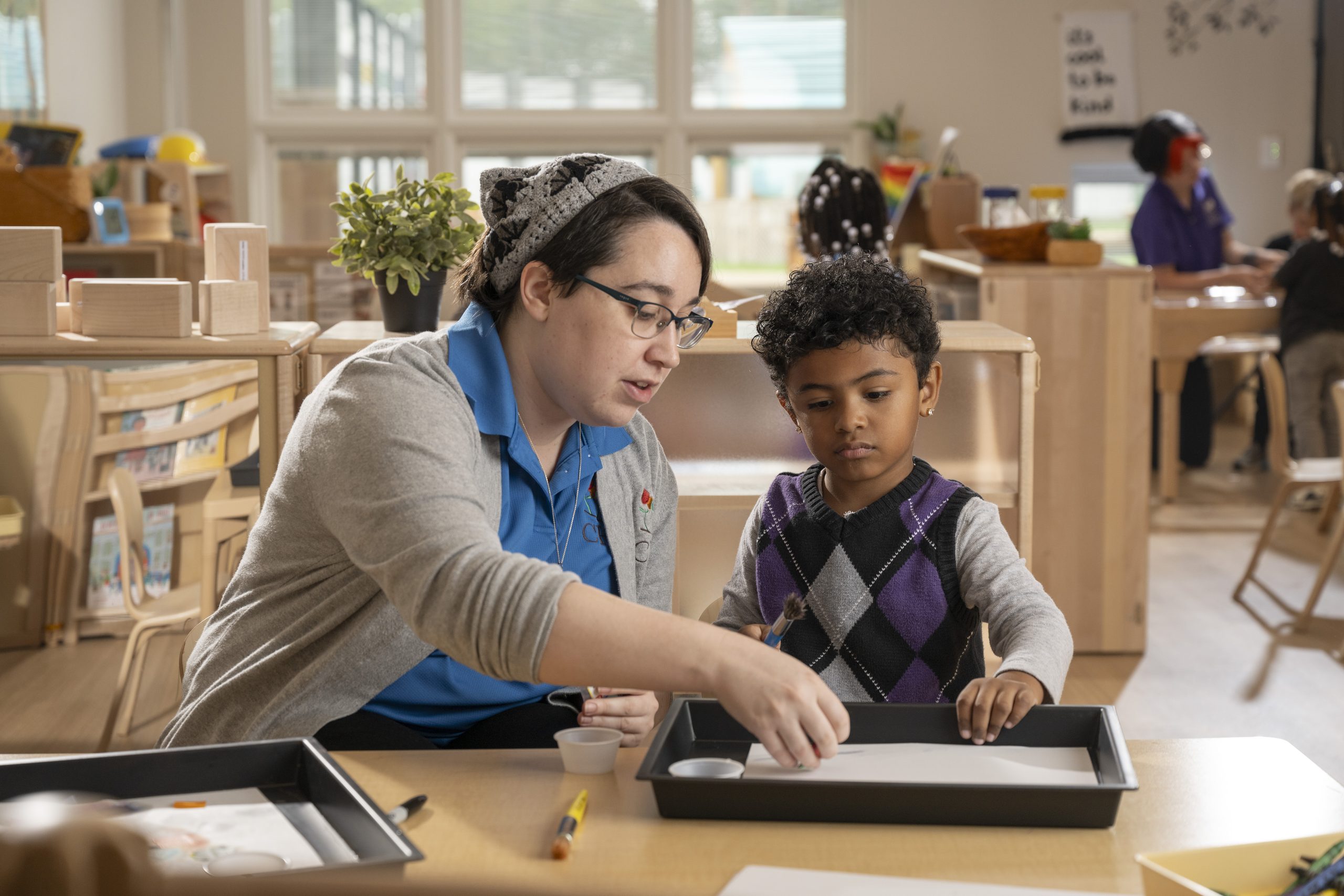
Every child enters the classroom with strengths.
It might be a strong interest in animals, a talent for building, an ability to make friends, a love of music, a willingness to help others, or knowledge gained through experiences at home and in the community. Some strengths are easy to notice. Others emerge when children are given the right opportunity, environment, or relationship.
Strengths-based teaching begins by recognizing these abilities, interests, and experiences as assets. Then, intentionally using them to support children’s learning and development.
For educators, this does not mean ignoring areas where children need support. It means starting with what children already know, enjoy, and do well, and building from there.
Start with what children can do
Strengths can take many forms. A child may demonstrate creativity during pretend play, persistence while completing a puzzle, empathy when helping a classmate, or curiosity while exploring insects on the playground.
Intentional observation helps educators identify these strengths. Ask yourself: What does this child choose to do? When are they most engaged? What comes naturally to them? What skills are they demonstrating that I can build upon?
Once a strength is identified, look for ways to nurture it through learning.
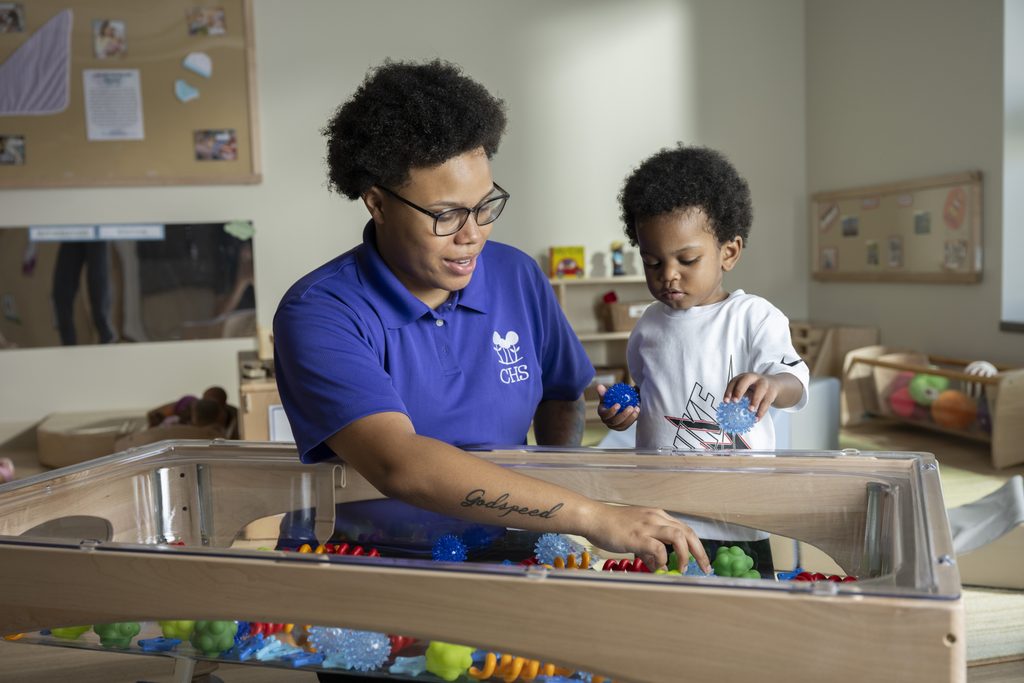
Build learning from children’s strengths
Identifying a strength is only the beginning. Research on strengths-based teaching describes a progression of identify, apply, and develop. This entails recognizing what children do well, creating opportunities to use those strengths, and helping children develop them further.
For example, a child who loves drawing might use illustrations to demonstrate understanding during a literacy activity. A child who enjoys movement might practice counting through a song or game. A child who frequently helps classmates might be given opportunities to model a classroom routine.
The goal is not to keep children doing only what they already know. Instead, educators can use familiar strengths as a starting point for new learning, providing encouragement and appropriate challenges along the way.
That research also found that teachers and families perceived connections between children’s strengths and their engagement, confidence, motivation, and learning. While the study was conducted in a specific school setting and should not be generalized to every classroom, it offers a useful framework for thinking about how strengths can become part of intentional teaching.
Look for strengths during challenging moments
Strengths-based teaching is not limited to activities when everything is going well. It can also change how educators respond when children are struggling or displaying challenging behavior.
Research on teacher-child interactions suggests that children who demonstrate challenging behavior may receive fewer positive interactions from adults, creating opportunities for educators to intentionally notice and reinforce more desirable behaviors.
Instead of focusing only on what a child should stop doing, consider what they can do instead.
For example, rather than repeatedly saying, “Sit down,” an educator might say, “Can you show me how we sit safely on our carpet spot?” When the child responds appropriately, the teacher can provide specific praise: “You listened to the direction and showed us how to sit safely.”
Strategies such as providing frequent opportunities for children to respond, offering instructive or corrective feedback and giving specific praise can help educators build on positive behaviors children are already demonstrating.

Learn from families and communities
Children’s strengths extend beyond the classroom. Families know their children in ways educators cannot, making family perspectives an important part of strengths-based teaching.
Head Start identifies several strength-based attitudes for building relationships with families, including recognizing families as their children’s first teachers, valuing their expertise, and treating their contributions as important.
That can be as simple as asking:
- “What does your child enjoy doing at home?”
- “What are you noticing your child is interested in right now?”
- “What works well when your child is learning something new?”
- “What would you like us to know about your child?”
Family experiences can also become part of classroom learning. In one NAEYC example, educators invited families of multilingual learners to share stories about memorable transportation experiences. Those stories, photos, and recordings were incorporated into classroom activities, giving children opportunities to connect learning with their families, languages, and communities.
Strengths-based does not mean ignoring challenges
Every child will have areas where they need additional instruction, support, or practice. Strengths-based teaching does not mean overlooking those needs or avoiding difficult conversations.
Instead, it asks educators to approach those moments with a fuller picture of the child.
A child’s strengths can provide a pathway toward skills that are still developing. When educators recognize what strengths children bring to the classroom, partner with families, and intentionally build on existing abilities, they can create more opportunities for children to participate, learn, and experience success.
Strengths-based teaching ultimately comes down to a shift in perspective: notice what children bring, value it, and use it intentionally. That might look like changing a lesson, asking a family a different question, recognizing an appropriate behavior, or giving a child another opportunity to demonstrate what they can do.
For educators, those small decisions can make strengths-based teaching a successful part of everyday learning.
Building a culture of caring from the inside out
By Stu Semigran, Co-Founder, EduCare Foundation When we talk about education, we often focus on mindset. This is how we think, how we approach challenges, and how we motivate ourselves.....

Strategies for building trust through home visiting
By Lindsay Knepp, Strategic Partnerships Manager at Catherine Hershey Schools for Early Learning For those of us who work in early childhood education, the practice of home visiting has emerged.....

How leadership styles impact early childhood outcomes
Early childhood educators are, by definition, leaders. They lead children daily toward their educational goals through high-quality, hands-on learning experiences. Outside the classroom, they may lead family engagement opportunities and.....

Why a two-generation approach matters for family success and child development
Franklin D. Roosevelt said, “We may not be able to prepare the future for our children, but we can at least prepare our children for the future.” Families are essential.....
