
Let joy be your compass: Sustaining purpose in ECE
- Joy is not a bonus. It is foundational to the work of serving children and families.
- Reconnecting with your “why” strengthens both individual purpose and team alignment.
- Reflection and intentional practices help sustain meaning and reduce burnout.
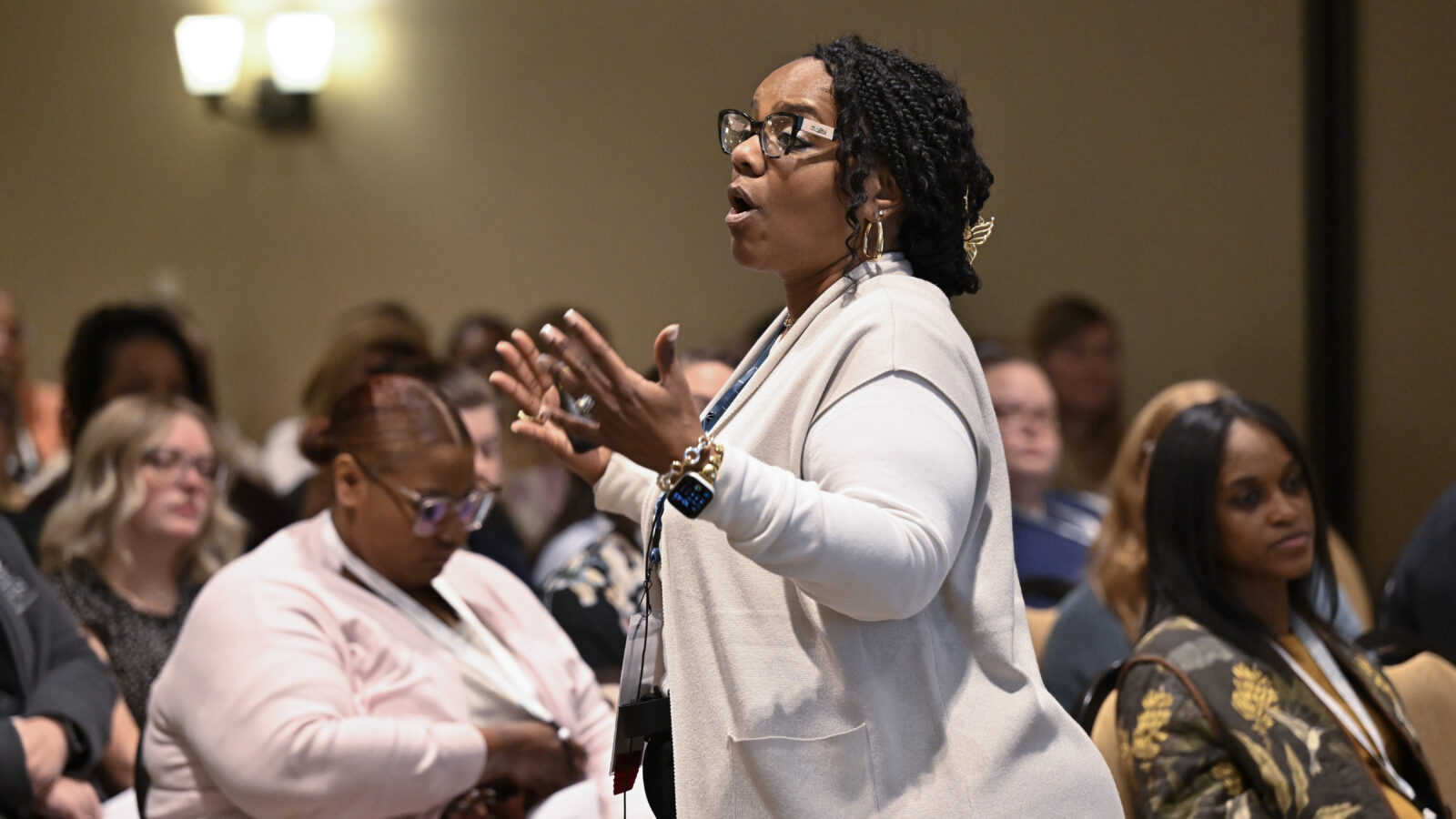
By Dr. Nefertiti Poyner, Mighty Works Education Group
When the work feels heavy, joy can be a powerful guide.
In early childhood education (ECE), joy is not about being happy all the time, and it is not about ignoring the very real challenges professionals face every day. Joy is a deep, sustainable sense of meaning that anchors you, even on the hardest days.
Joy is an essential component of the early childhood profession because it underpins everything we do. We can hire someone who looks qualified on paper, but if they lack joy, it will show up in their words, actions, and interactions. Serving young children is deeply relational, emotionally demanding, and high stakes. What we bring into that environment matters.
Research continues to show that the mental and emotional condition of early childhood educators directly impacts the quality of care children receive. When we are depleted, children feel it too. Joy helps ensure we are not pouring from an empty cup.
Joy as the foundation of purpose
Joy is what keeps us rooted in our purpose when the demands feel impossible. It reminds us why we chose this work in the first place.
When joy is present, educators show up with energy, creativity, and connection. When it is absent, we begin to go through the motions. And in a field built on relationships, that difference matters.
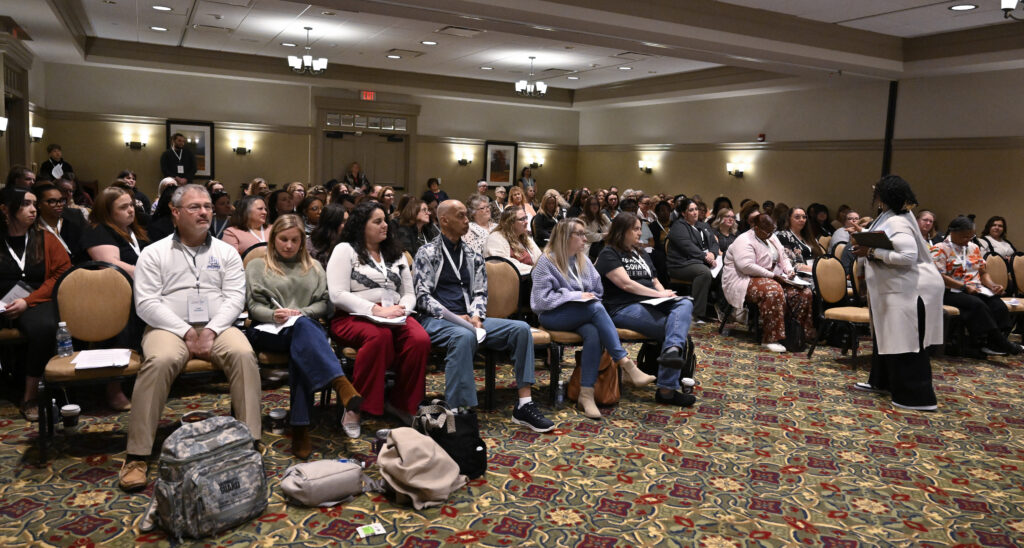
This year’s Summit theme, One Team, One Dream, reflects the importance of shared purpose. That kind of alignment does not happen by accident. It starts with the individual.
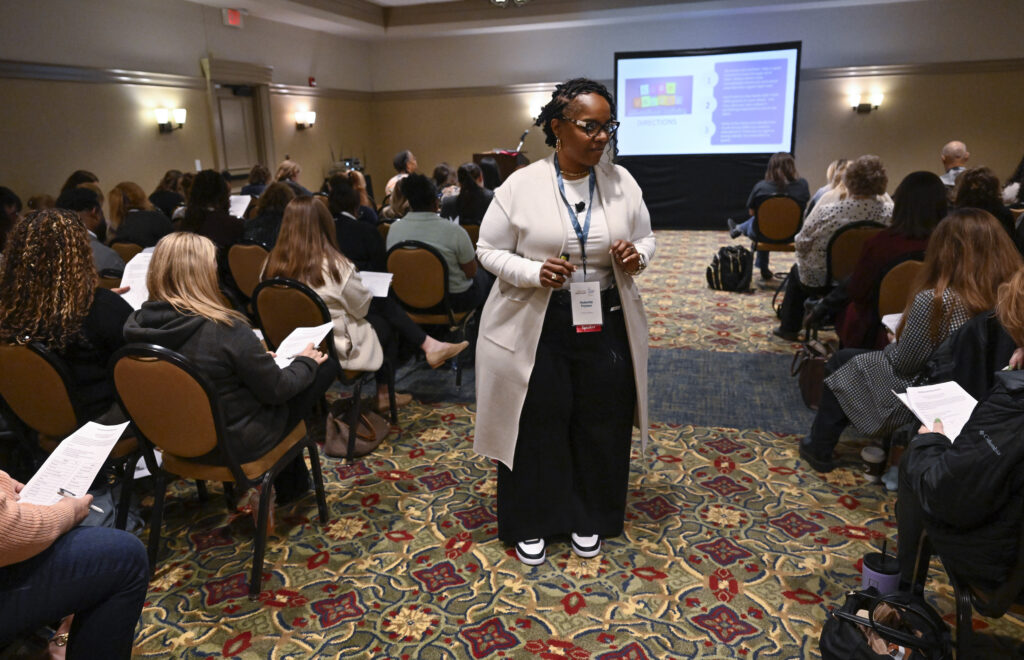
In my session, I introduced what I call the Joy in the Work process:
- Alignment
- Intentionality
- Consistency
- Integration
When individuals do this inner work, teams shift. You stop pulling in different directions. You stop competing. You start completing one another. That is when “One Team, One Dream” becomes real.
Recognizing burnout and disconnection
Disconnection from purpose does not happen all at once. It often shows up quietly.
You may notice you have stopped talking about the children with excitement. Work that once felt meaningful now feels like a checklist. You are not just tired; you are soul-tired. You find yourself counting down to time away from the work.
The research confirms what many educators already feel. Burnout in ECE is characterized by emotional exhaustion, depersonalization, and a reduced sense of accomplishment. Nationally, nearly 45% of early childhood educators report high levels of stress, and annual turnover rates in ECE range from 24% to 40%.
These are not just workforce challenges. They are signals that we must invest in the inner lives of the people doing this work.
Reconnection starts with slowing down long enough to ask: What brought me here? Often, the answer is found in a moment. It could be a child, a breakthrough, a memory that reminds you this work is a calling.
Reflection as restoration
Reflection is often seen as optional, but it is essential.
“I don’t have time to reflect” is something I hear often. My response is simple: you do not have time not to.
Research shows that high quality reflective supervision and consultation is linked to lower burnout and emotional exhaustion, while also strengthening capacity to process experiences, decision-making, and professional growth.
Reflection is how you restore. It is how you recalibrate. It is how you move from autopilot to leading with intention.
Even brief “reflective pauses” — just a few intentional minutes — can shift perspective and restore clarity.
Alignment, intentionality, consistency, and integration in practice
Sustaining joy requires more than inspiration. It requires practice.
Alignment is the starting point. In a field where the gap between values and working conditions can be significant, staying connected to your purpose becomes a form of resilience. Research shows that the perceived level of social support in the workplace is one of the strongest drivers of well-being in early childhood education.
Intentionality ensures that your actions reflect your values. It allows you to pause and ask: Why am I making this choice? Does it align with what matters most?
Consistency builds trust. Children rely on consistent, emotionally present adults. When adults are inconsistent — in behavior, energy, or expectations — children feel that instability. When adults are dependable, children feel safe enough to learn and grow.
Integration: Sustaining joy over time
Integration is where everything comes together.

It is no longer something you are trying to do; it becomes who you are. Your values are reflected in your actions, your relationships, and your daily decisions.
It also requires boundaries. It means recognizing that your well-being is not separate from your work. It makes your work sustainable. You cannot pour from an empty cup, and you cannot model wholeness if you are not tending to your own.
Small practices that make a difference
Sustaining joy does not require major changes. It begins with small, consistent practices.
First, get quiet. Create space for mindfulness and reflection. This can occur through journaling, walking, or simply pausing. Reflection is how you recalibrate.
Second, stay connected to people who bring you joy. A quick conversation, a shared laugh, or a moment of connection can restore energy and remind you that you are not alone in this work.
Carrying the message forward
As you return to your classrooms and communities, carry this with you: Joy is in the work.
Not someday. Not when conditions improve. Right now in the everyday moments with the children and families you serve.
Every person has lived the stage of life that early childhood educators support. It is foundational and universal. The experiences children have during this time are shaped by the people who choose to do this important work.
Do we honor the hard parts? Absolutely. The ups and downs are real. But underneath all of that, in the quiet moment when a child runs to you, when a family trusts you with their most precious person, when you see a breakthrough you helped create, there is joy. Deep, meaningful, world-changing joy. The joy is in the work, shaped by the people who choose to do this important work.

What strengths-based teaching looks like
Every child enters the classroom with strengths. It might be a strong interest in animals, a talent for building, an ability to make friends, a love of music, a willingness.....
Building a culture of caring from the inside out
By Stu Semigran, Co-Founder, EduCare Foundation When we talk about education, we often focus on mindset. This is how we think, how we approach challenges, and how we motivate ourselves.....

Strategies for building trust through home visiting
By Lindsay Knepp, Strategic Partnerships Manager at Catherine Hershey Schools for Early Learning For those of us who work in early childhood education, the practice of home visiting has emerged.....

How leadership styles impact early childhood outcomes
Early childhood educators are, by definition, leaders. They lead children daily toward their educational goals through high-quality, hands-on learning experiences. Outside the classroom, they may lead family engagement opportunities and.....
