
CHS thought leaders in action: Supporting family economic mobility
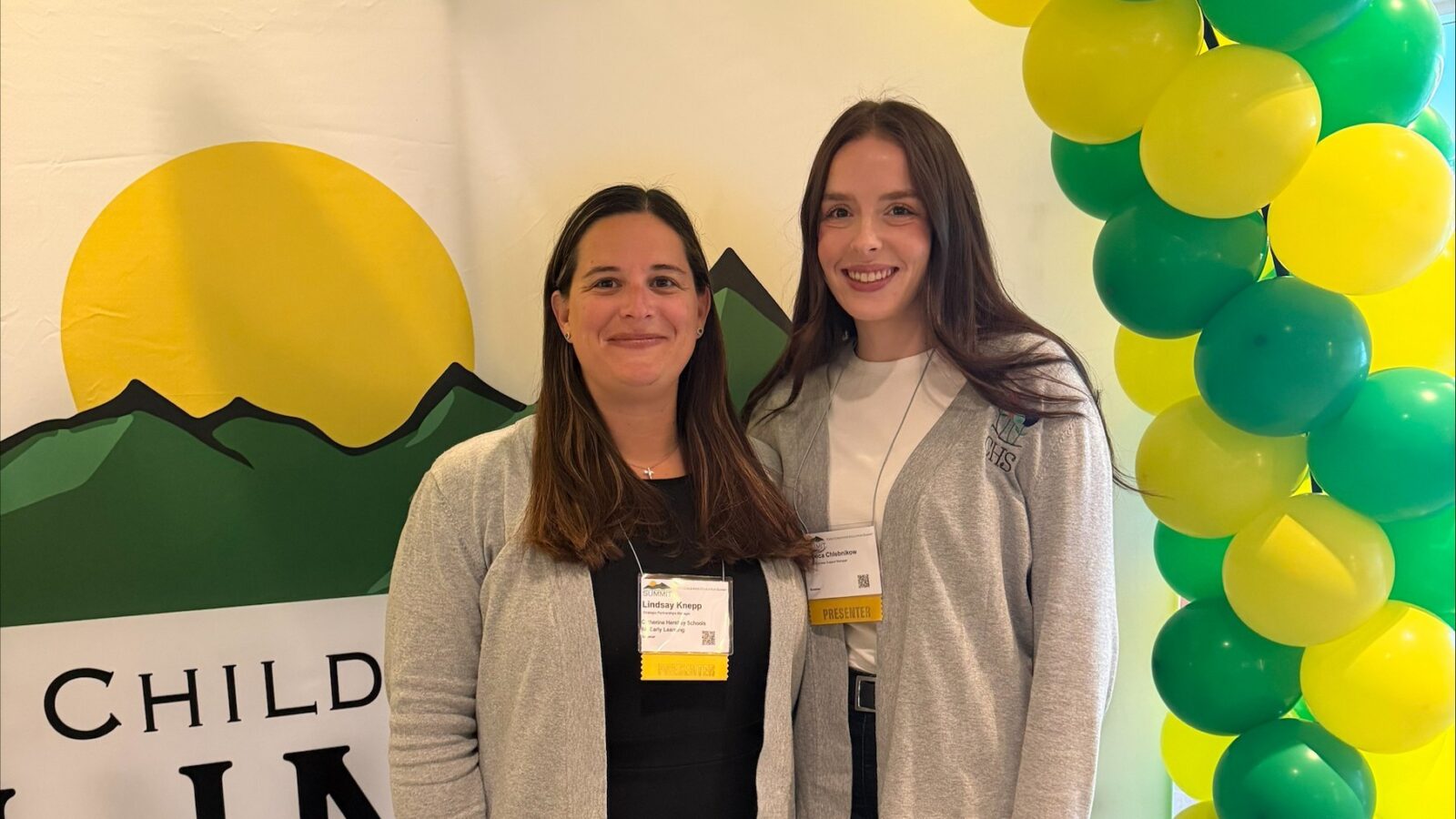
At the Pennsylvania Child Care Association (PACCA) ECE Summit in October 2026, Catherine Hershey Schools for Early Learning (CHS) Strategic Partnerships Manager Lindsay Knepp and Family Success Support Manager Rebeca Chlebnikow shared how early childhood professionals can partner with families to build financial stability, overcome barriers, and work toward long-term goals.
Their presentation highlighted the importance of individualized support, goal setting, and community partnerships in helping children and families thrive.
In their session, A Family Approach to Building Safe, Strong, and Financially Stable Homes, Lindsay and Rebeca explored strategies for helping parents identify their strengths, set priorities, and access resources to support their families’ well-being.
At CHS, this two-generation approach recognizes the connection between children’s development and family stability. Family Success Advocates work alongside parents to establish goals, develop skills, and connect with resources that support progress toward stronger, more stable households.
About the presenters
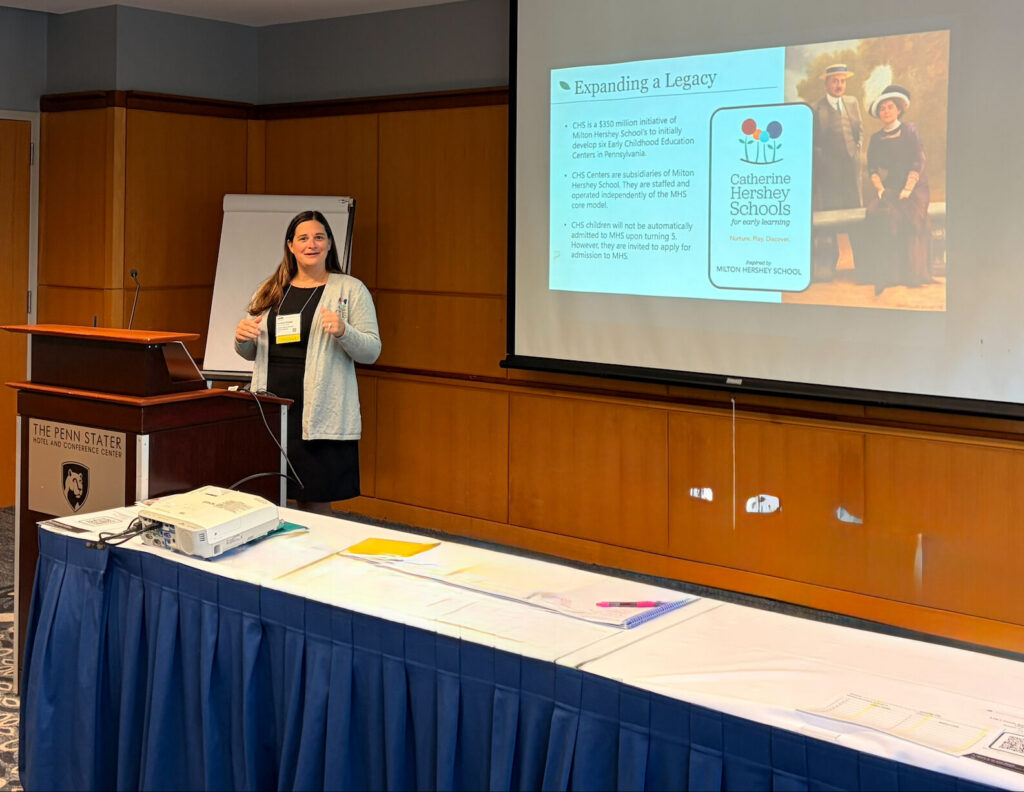
Lindsay Knepp (opens in a new tab) serves as Strategic Partnerships Manager at CHS, connecting centers with local organizations that provide resources for families, staff, and community leaders. A licensed social worker, she spent 13 years working at Palmyra Area School District before joining CHS. Lindsay holds a bachelor’s degree in Sociology and Criminology and a Master of Social Work from Millersville University, as well as a Master of Education in Trauma and Resilience from Eastern Mennonite University. She is passionate about improving access to resources and early intervention opportunities for children and families.
Rebeca Chlebnikow (opens in a new tab) serves as Family Success Support Manager at CHS, supporting the teams who work directly with families by strengthening the tools, resources, and processes that guide their work. Previously, she served with Communities in Schools of Pennsylvania and Families United Network, Inc. She holds a bachelor’s degree in Psychology with a minor in Contemplative Studies from West Chester University. Rebeca is passionate about educational equity and CHS’s two-generation approach, which recognizes the connection between child development and family well-being.
Key takeaways from the session
Lindsay and Rebeca’s presentation offered practical strategies for helping families identify priorities, develop actionable goals, and access support.
1. Recognizing strengths beyond barriers
Families may face challenges such as unreliable transportation, limited childcare, financial stress, or inconsistent access to basic needs. Understanding these barriers is important, but so is recognizing the strengths families already possess.
By learning about each family’s circumstances and support networks, professionals can help parents identify realistic opportunities for growth and build on their strengths.
2. Making goal setting a collaborative process
Through the CHS Bridge to Family Success assessment, parents work with their Family Success Advocates to assess their circumstances, identify priorities, and develop plans for moving forward. Goals may address housing, debt, savings, employment, education, health, or other areas of family life.
Rather than setting priorities for parents, Family Success Advocates help families determine what matters most to them and identify the steps and resources that can support their goals.
3. Turning goals into action
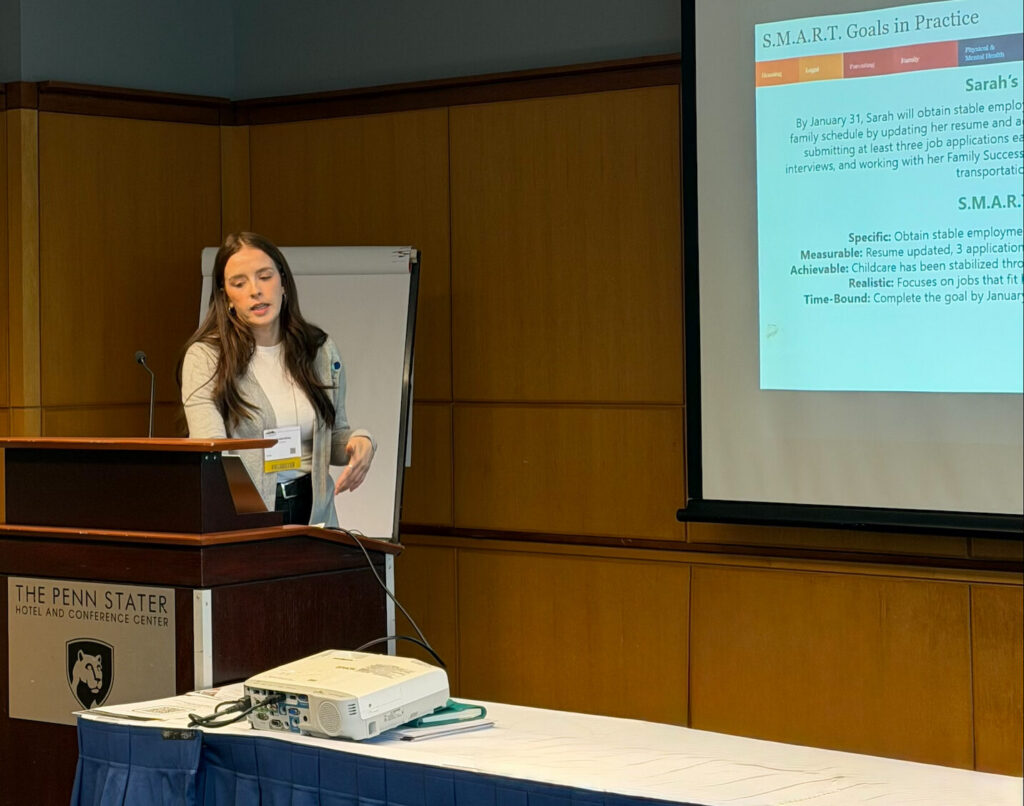
SMART goals provide a framework for turning broad aspirations into manageable steps. Goals should be specific, measurable, achievable, realistic, and time-bound.
For example, a parent seeking stable employment might update a resume, identify jobs that fit the family’s schedule and transportation options, and establish a regular application routine. Breaking a larger goal into smaller steps makes progress easier to track and creates opportunities to recognize milestones along the way.
4. Connecting families with community resources
Partnerships with financial institutions, colleges, nonprofits, and other community providers can connect families with financial education, career development, continuing education, and other essential services.
Lindsay and Rebeca emphasized the importance of warm handoffs and strong referrals. Helping families connect directly with providers can make it easier to navigate available resources and access support aligned with their goals.
Why it matters
Children’s well-being is closely connected to the stability of their families. When parents have opportunities to build skills, establish goals, and access meaningful support, they can work toward creating stronger foundations for themselves and their children.
By treating parents as partners and recognizing each family’s unique circumstances, early childhood professionals can help families make meaningful progress toward long-term stability. At CHS, this two-generation approach reflects a commitment to nurturing, educating, and empowering children and families to lead fulfilling and productive lives.

What strengths-based teaching looks like
Every child enters the classroom with strengths. It might be a strong interest in animals, a talent for building, an ability to make friends, a love of music, a willingness.....
Building a culture of caring from the inside out
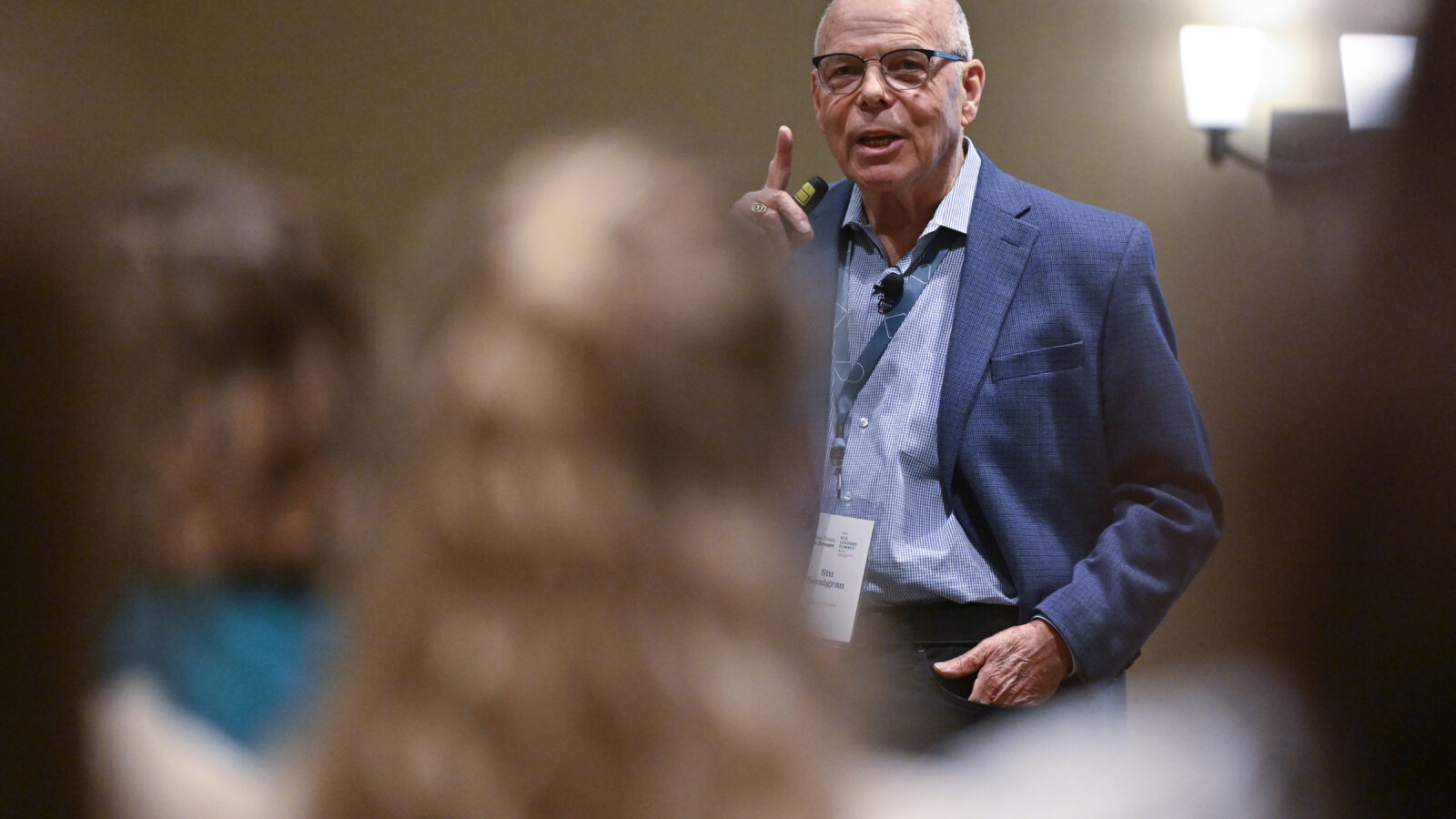
By Stu Semigran, Co-Founder, EduCare Foundation (opens in a new tab) When we talk about education, we often focus on mindset. This is how we think, how we approach challenges,.....

Strategies for building trust through home visiting
By Lindsay Knepp, Strategic Partnerships Manager at Catherine Hershey Schools for Early Learning (opens in a new tab) For those of us who work in early childhood education, the practice.....

How leadership styles impact early childhood outcomes
Early childhood educators are, by definition, leaders. They lead children daily toward their educational goals through high-quality, hands-on learning experiences. Outside the classroom, they may lead family engagement opportunities and.....
