
Why boredom isn’t always bad in young children
Boredom in children isn’t necessarily something parents need to fix. Learn how giving your young child some unstructured time can encourage creativity, independence, and confidence.
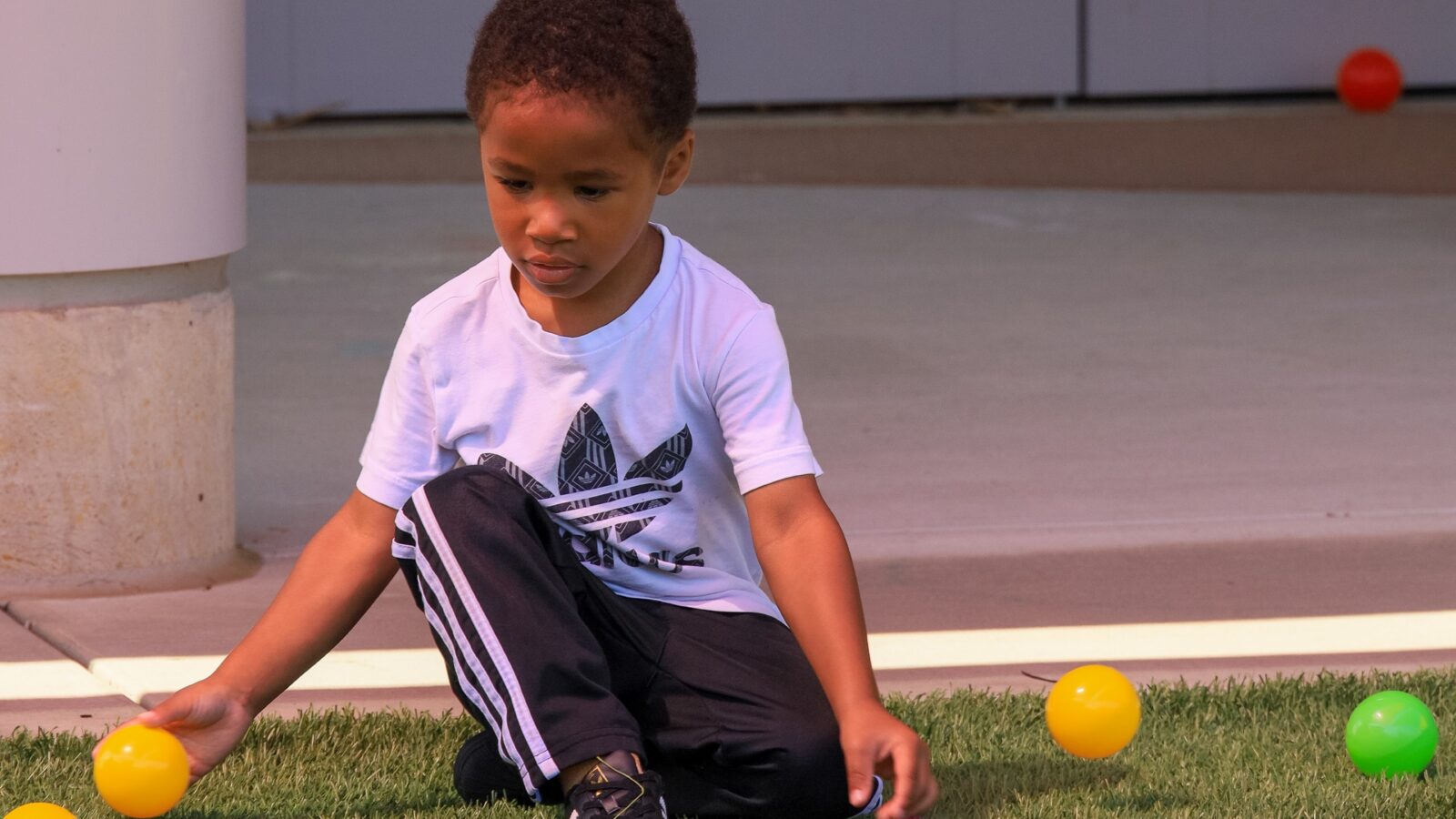
“I’m bored” is a phrase almost every parent hears at some point. When your child says it, you may feel pressure to find something for them to do.
Being bored does not always mean something is wrong.
Having time without a planned activity can give young children opportunities to use their imagination, make choices, and discover what interests them. Unstructured time can support creativity, problem-solving, decision-making and independence.
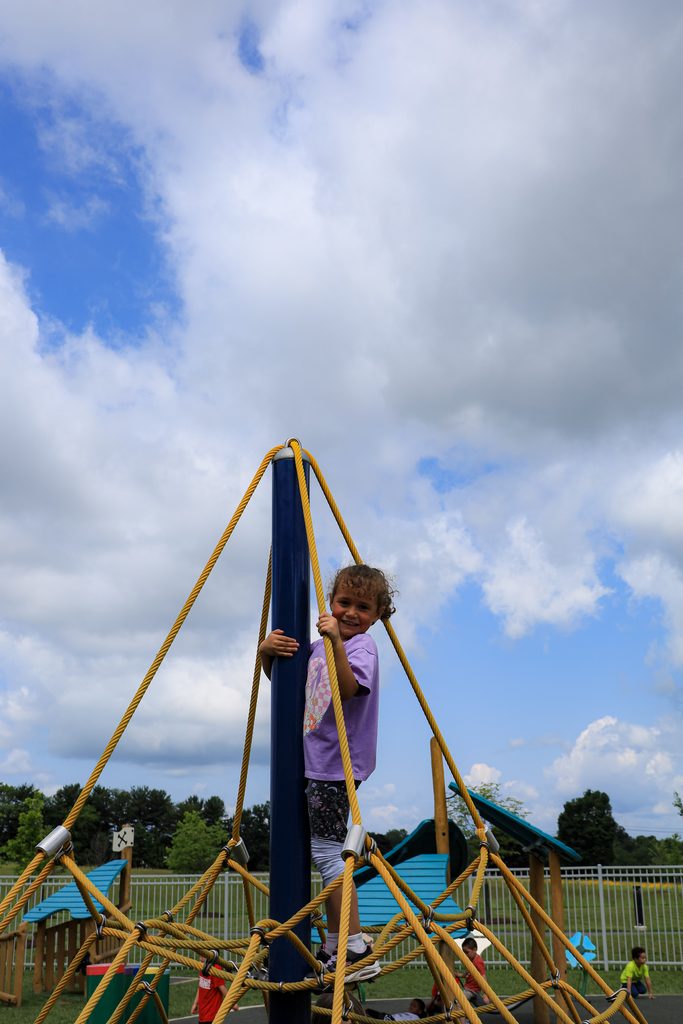
What does boredom look like for young children?
For a young child, boredom may simply mean they do not know what to do next.
Toys, activities, screens, and other planned experiences can fill much of your child’s day. When those things are not available, it may take some time for your child to figure out what comes next. Your child may complain, wander around, or ask you what they should do.
That does not mean you need to immediately solve the problem.
Sometimes, “I’m bored” is an invitation to help your child get started. Other times, it may mean they want your attention or need a break. Pay attention to what your child is communicating but remember that you do not have to provide an activity every time they are unsure of what to do.
Unstructured time will look different at different ages. A toddler may move from one activity to another, while an older preschooler may spend longer creating a pretend game or figuring out what to build.
Boredom can create opportunities for creativity
When there is no activity already planned, your child has an opportunity to decide what to do next.
They might turn a blanket into a fort, create a pretend restaurant with stuffed animals, draw a picture, build with blocks, or explore outside. These activities may not look like structured learning, but your child is making decisions, trying ideas, and figuring out how things work.
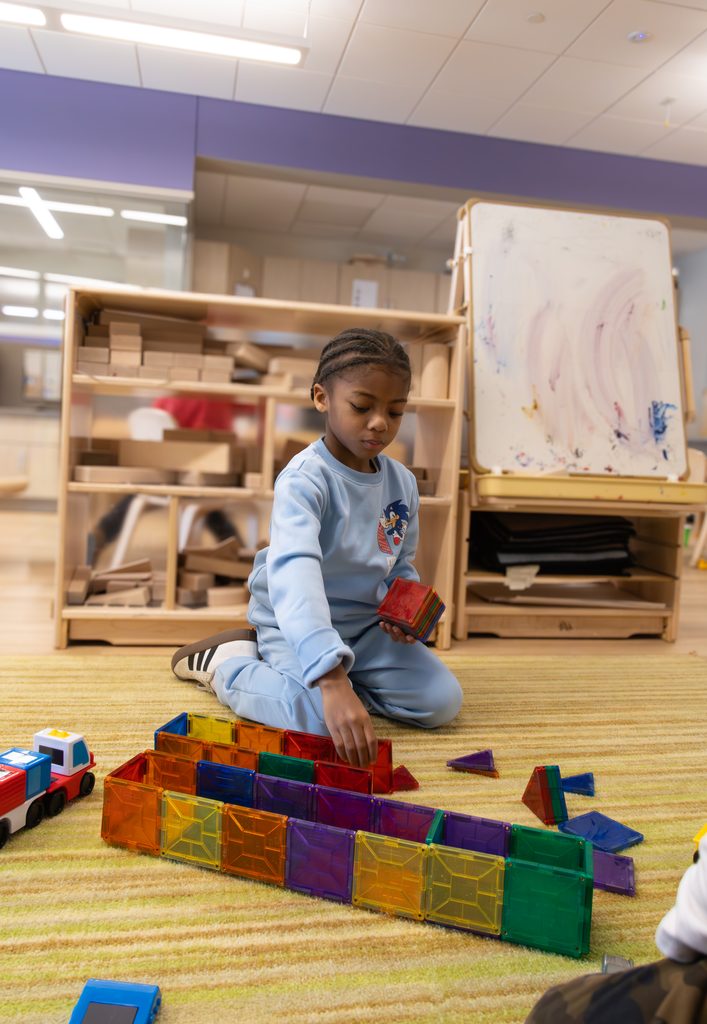
Unstructured time can support creativity and problem-solving because children have more opportunities to come up with their own ideas rather than simply following someone else’s instructions.
You can support this process without planning every detail. If your child is stuck, offer a simple idea, and let them decide what happens next. Giving children room to make choices can also support curiosity and creativity.
Learning to work through uncomfortable feelings
Boredom is not always pleasant. Your child may feel frustrated when they cannot think of something to do, and young children are still learning how to handle uncomfortable feelings.
You can acknowledge the feeling without immediately taking it away.
Try saying, “It sounds like you’re having a hard time finding something to do. Let’s think of some ideas.”
Your child may need some help getting started, and that is OK. Over time, they can become more comfortable with the idea that they do not need someone else to fill every quiet moment.
Give your child room to explore
Giving your child unstructured time does not mean leaving them on their own all day. Young children still need routines, connection with adults, and plenty of opportunities for active play and learning.
Instead, look for small moments when you can step back. After your child finishes one activity, give them some time to decide what comes next. If they are stuck, offer a simple suggestion without taking over.
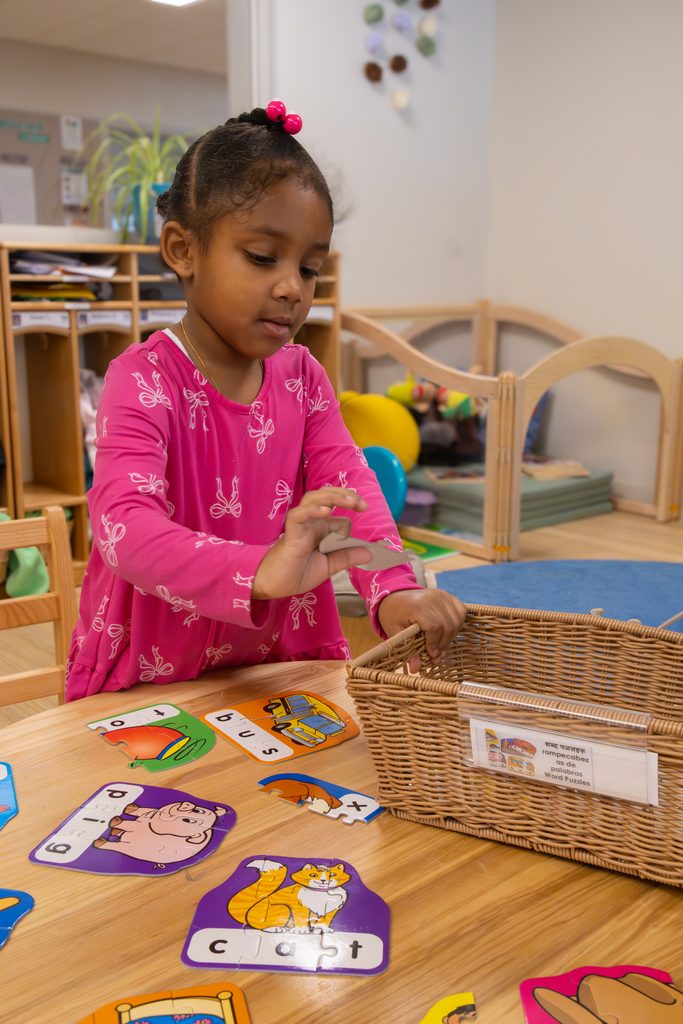
Play gives young children opportunities to explore their own interests and ideas, and it does not always need to have a specific goal or finished product.
You might say:
- “Would you like to build something or draw?”
- “I wonder what you could make with these boxes.”
- “What could your stuffed animals play?”
The goal is to get your child thinking rather than creating the activity for them.
You don’t need to eliminate boredom
As parents and caregivers, it is natural to want our children to be happy and engaged. But your child does not need every moment to be exciting.
Some of the best childhood experiences begin with a child wondering what to do next.
Those moments give children room to use their imagination, make choices, and learn more about what they enjoy.
So, the next time your child tells you, “I’m bored,” you do not have to see it as a problem that needs to be fixed right away. Sometimes, giving your child a little space to wonder what comes next is enough to help them discover an idea of their own.
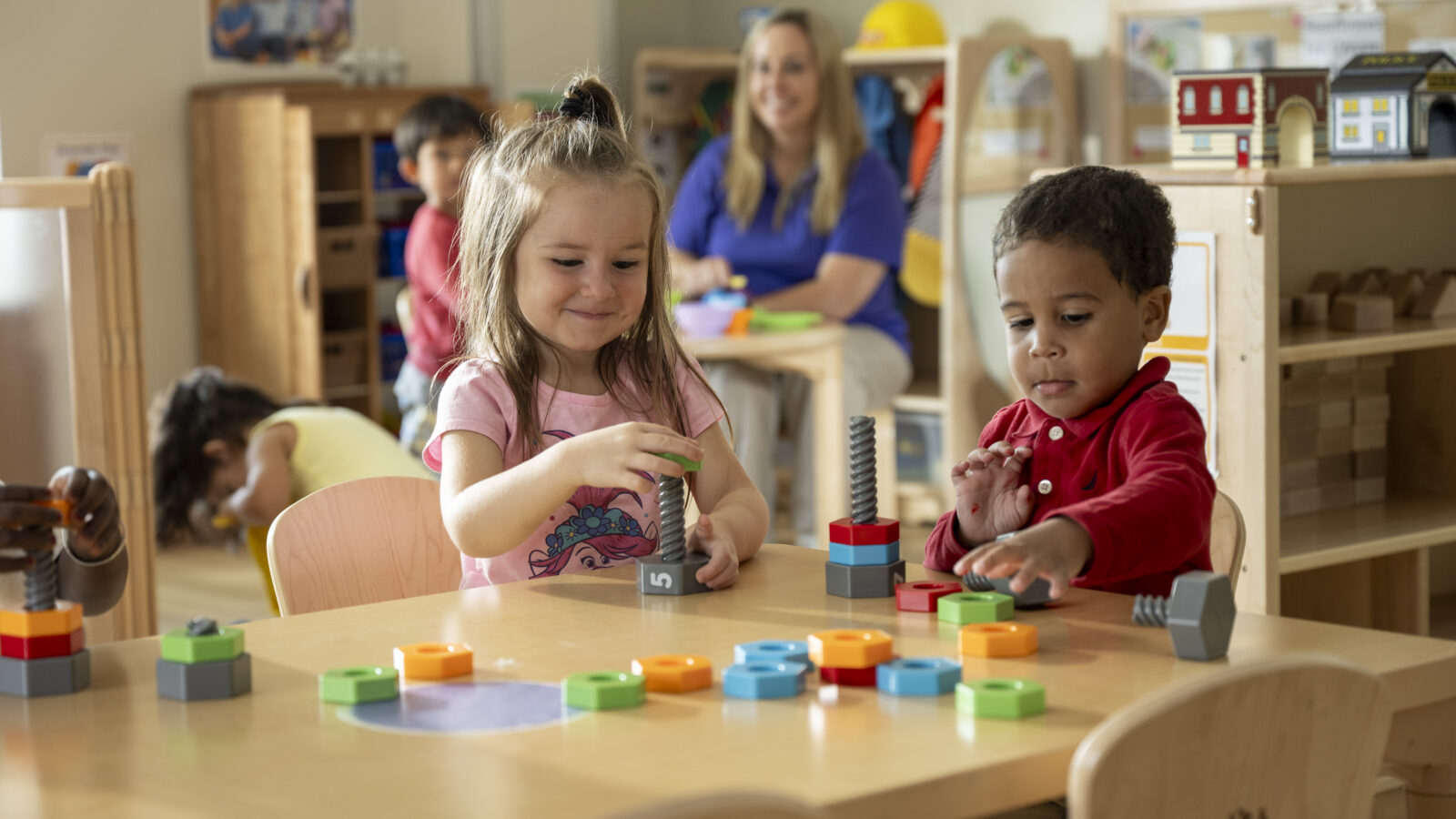
Helping your child make friends: What to expect at every age from 0-5
Watching your child begin to notice and connect with other children can be exciting. But if your child seems more comfortable playing independently or takes time to warm up to.....
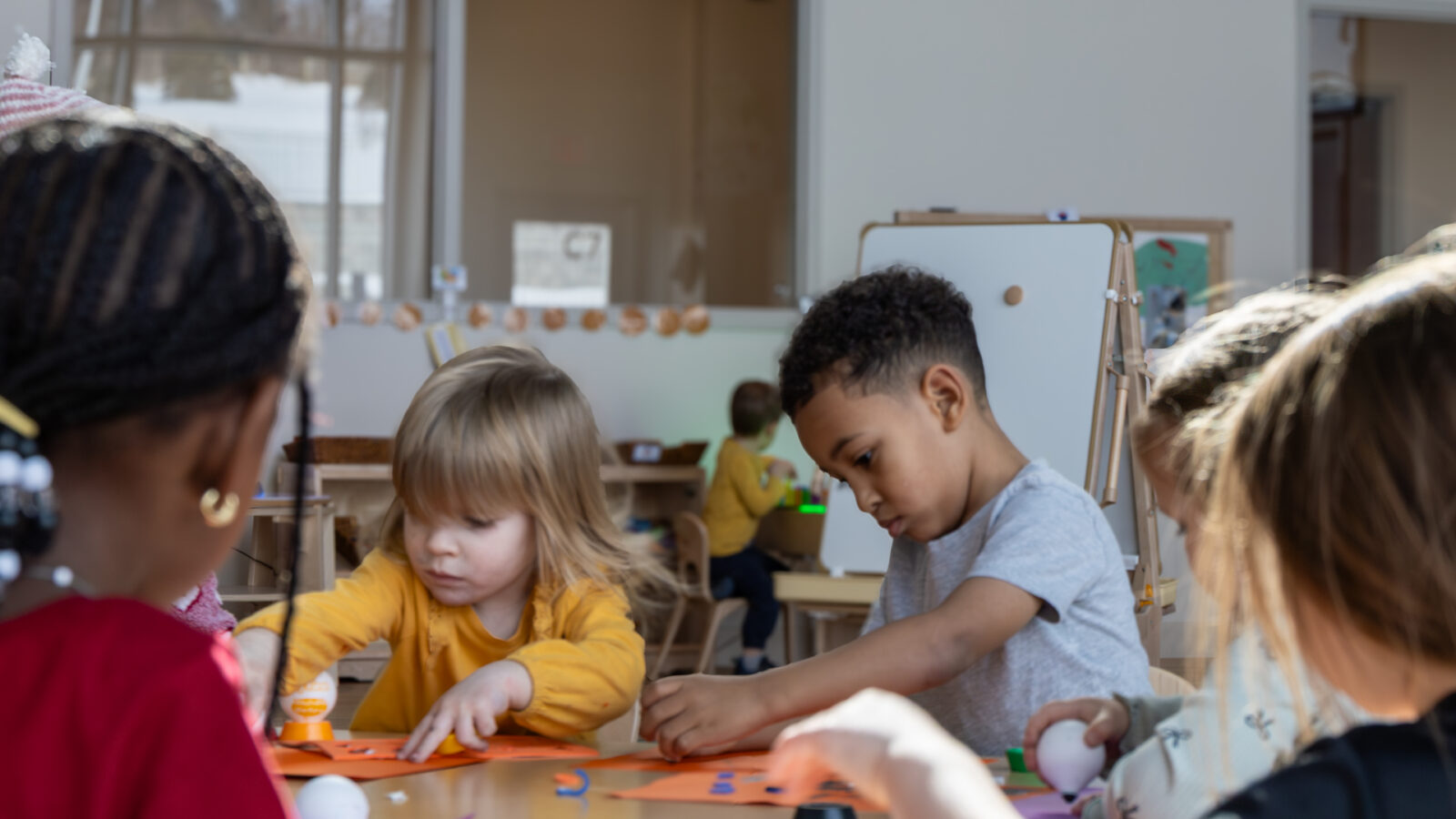
Why attendance matters in early childhood education
Maintaining a consistent schedule can be challenging with young children. However, regular attendance in early childhood education plays an important role in supporting your child’s learning and development. Consistent attendance.....

Starting Kindergarten: Tips for a Smooth Transition
For every child, the transition to kindergarten is a significant milestone. Regardless of whether your child has been in an Early Childhood Education (ECE) setting (opens in a new tab),.....
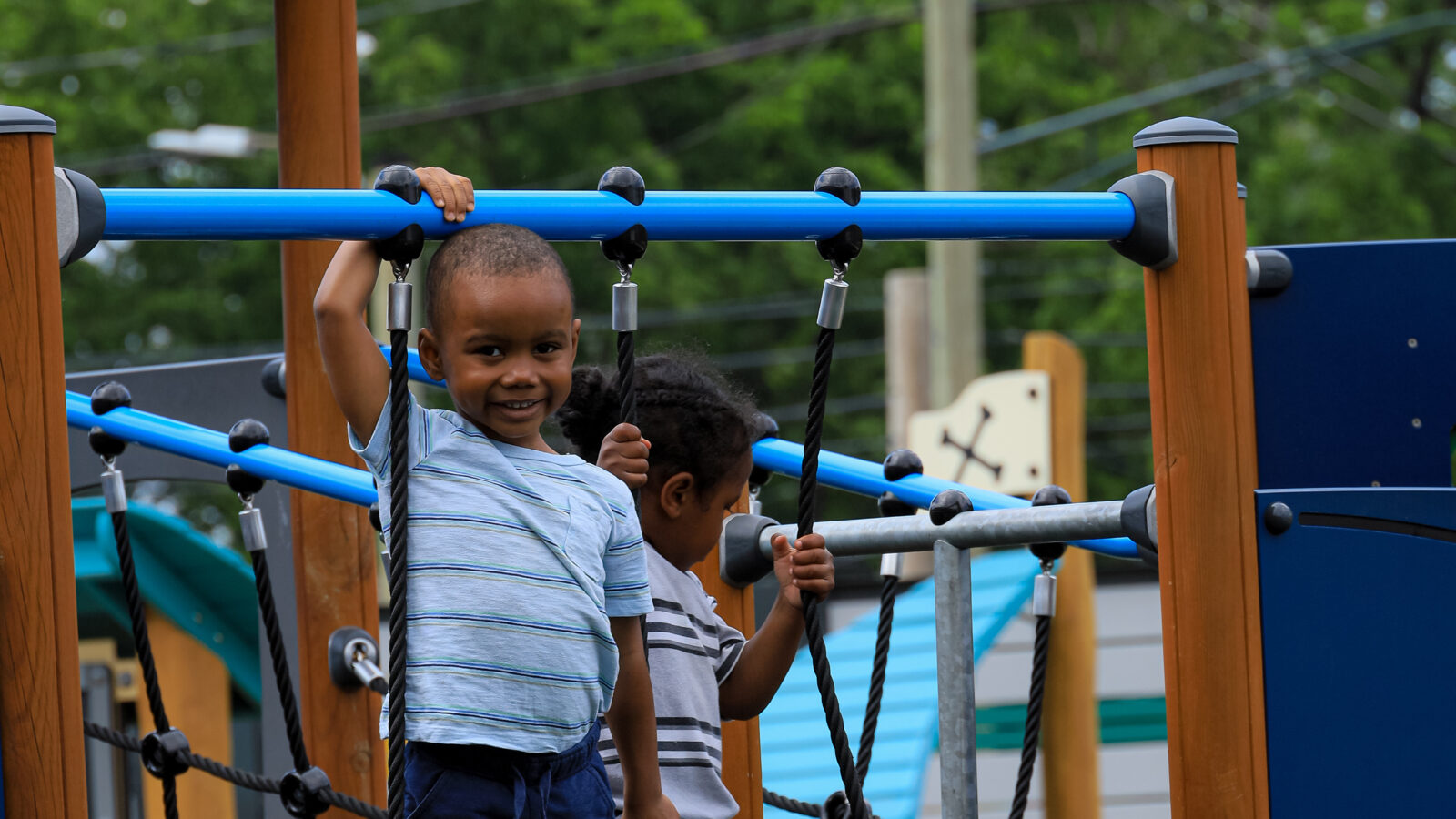
Make the most of summer’s final days: Free and low-cost family adventures
As the days get a little shorter, many families are looking for ways to soak up the rest of summer together. With a bit of planning, you can enjoy fun,.....
