
Why attendance matters in early childhood education
Learn why regular attendance matters in early childhood education, how being present can support your child’s learning and development, and ways to build a habit of good attendance.
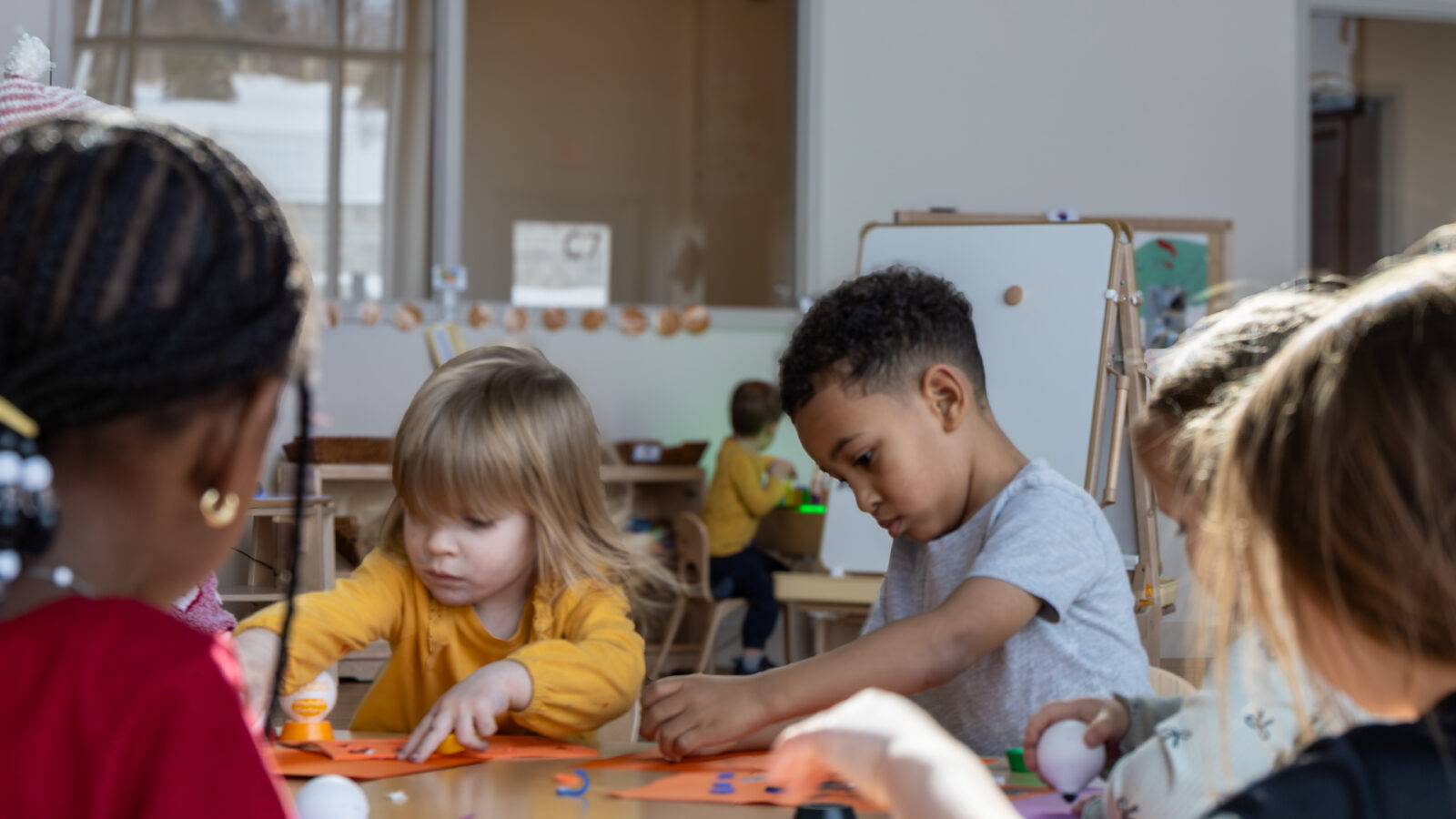
Maintaining a consistent schedule can be challenging with young children. However, regular attendance in early childhood education plays an important role in supporting your child’s learning and development. Consistent attendance helps children build routines, develop important skills, and establish a strong foundation for future learning experiences. While absences may sometimes be necessary, prioritizing regular attendance can have lasting benefits for you and your child.
Every day is an opportunity to learn
Young children learn best through play, exploration, and everyday experiences. Each day at your Early Childhood Education Center (ECEC) gives your child opportunities to practice skills such as listening, communicating, solving problems, and working with others.
Some of these lessons may not look like traditional learning, such as taking a test or writing an essay. Your child might learn to take turns while playing with a friend, use new words during a conversation, or work through a problem when something does not go as planned. These everyday experiences help children build skills over time.
When your child attends regularly, they have more opportunities to take part in these experiences and continue building on what they have already learned.
Consistency builds connection and safety
A consistent school schedule helps your child become familiar with their daily routine, from arriving in the classroom to joining activities and getting ready to go home.
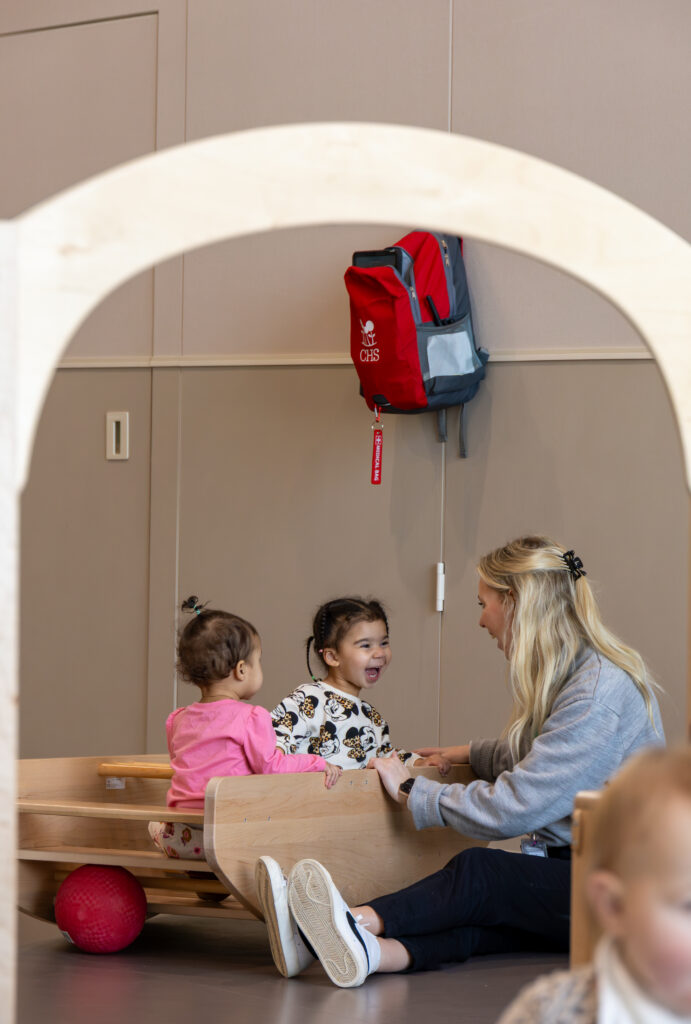
That familiarity can help your child feel safe and comfortable. As they spend time with teachers and classmates, they have more opportunities to build trust, practice social skills, and develop a sense of belonging.
Attendance builds skills for future education
Early childhood education helps your child develop skills they will continue to use as they move into kindergarten and later grades.
Your child is learning how to listen, follow directions, communicate with others, manage their feelings, solve problems, and try new things.
The habits your child develops now can continue as they move through their education journey such as making new friends and finding a love for learning. On the contrary, missing just two days a month can make it harder to gain early reading/math skills and build relationships.
How to build the habit of good attendance
Getting a young child ready for school can be challenging. A consistent routine can make mornings more predictable for both you and your child.
Try a few simple strategies to make the day easier:
- Set a regular bedtime and morning routine.
- Choose your child’s clothes the night before.
- Pack their backpack ahead of time.
- Give yourself extra time in the morning when possible.
- Talk positively about school and what your child will do that day.
You do not have to make every morning perfect. Finding a routine that works for your family and sticking with it can help your child know what to expect.
We know that life with a young child does not always go according to plan. There will be sick days, difficult mornings, and times when your family needs extra support.
Regular, consistent attendance provides more opportunities to learn, build relationships, and develop confidence.
Every day your child is present is another opportunity to learn something new, connect with others, and create a positive learning experience.
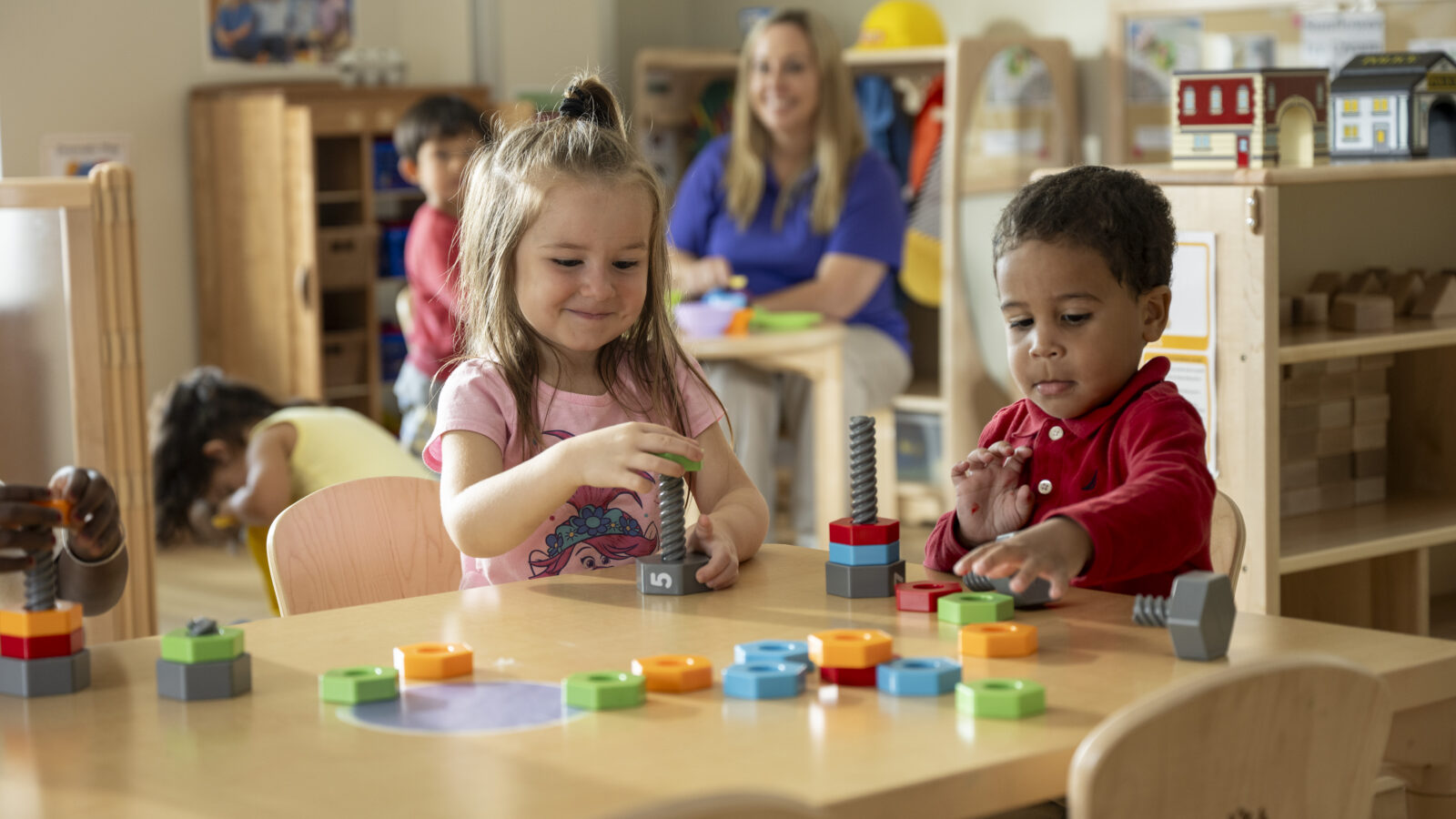
Helping your child make friends: What to expect at every age from 0-5
Watching your child begin to notice and connect with other children can be exciting. But if your child seems more comfortable playing independently or takes time to warm up to.....
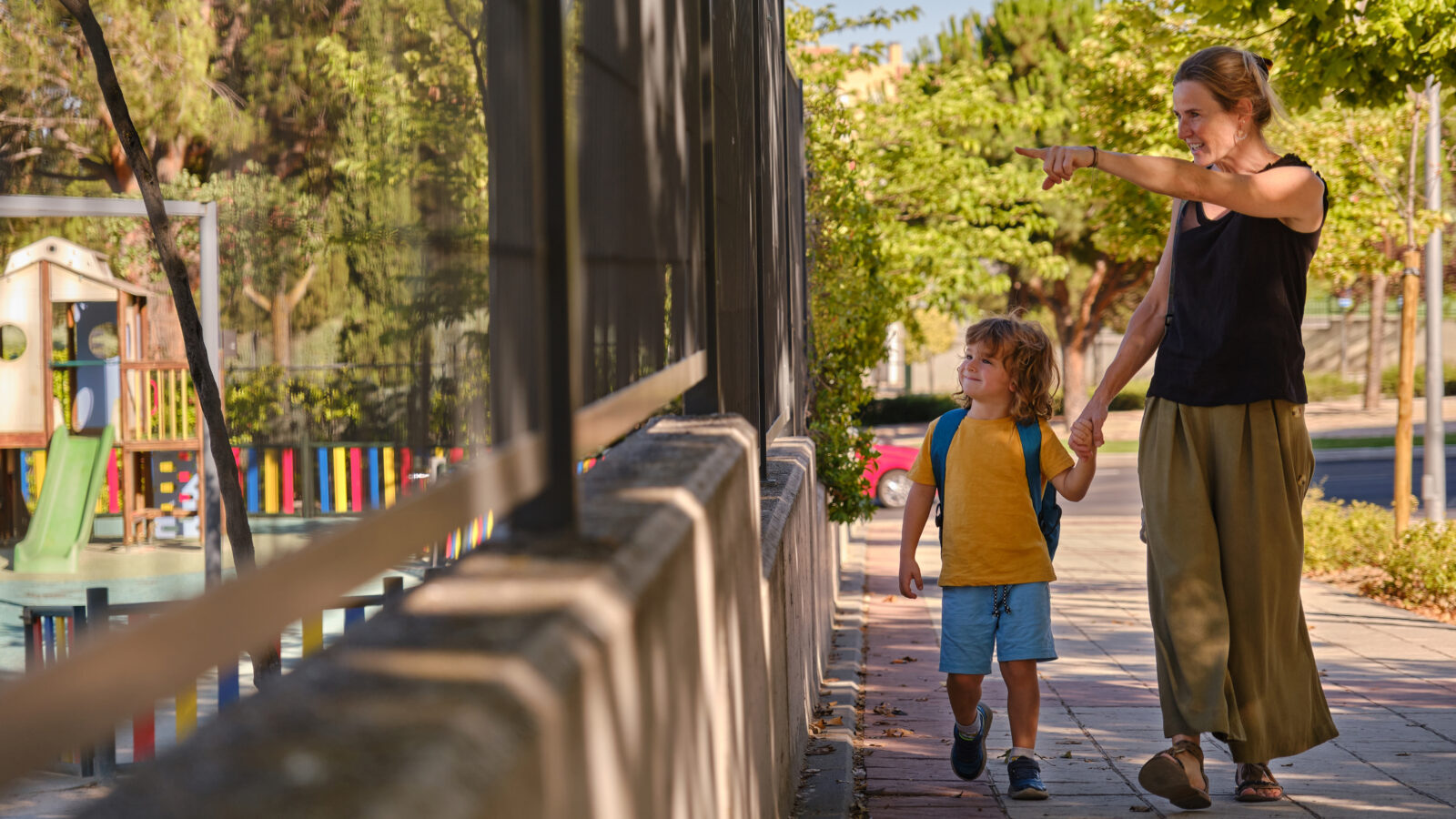
Starting Kindergarten: Tips for a Smooth Transition
For every child, the transition to kindergarten is a significant milestone. Regardless of whether your child has been in an Early Childhood Education (ECE) setting, like Catherine Hershey Schools for.....
Make the most of summer’s final days: Free and low-cost family adventures
As the days get a little shorter, many families are looking for ways to soak up the rest of summer together. With a bit of planning, you can enjoy fun,.....
Boost your child’s development: The power of dramatic play at home
As parents and caregivers, we often observe our children engaging in dress-up and role-playing activities. While these may appear to be simple fun, they are fundamental to a child’s development,.....
