
Helping your child make friends: What to expect at every age from 0-5
Learn how friendships develop during the early years and discover simple ways you can help your child build social skills, confidence, and connections with others.
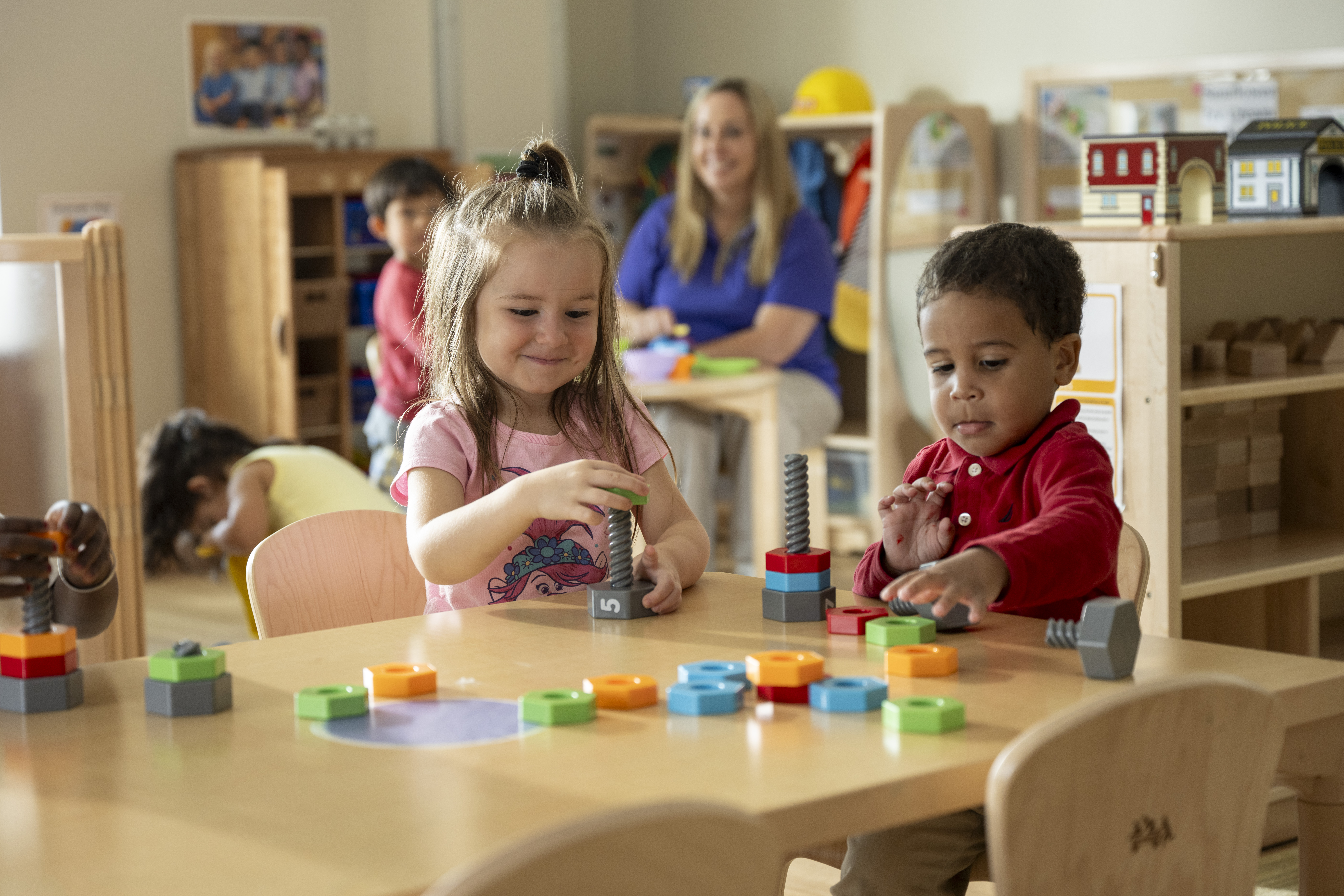
Watching your child begin to notice and connect with other children can be exciting. But if your child seems more comfortable playing independently or takes time to warm up to others, you may wonder if they are falling behind.
Friendships take time to develop. Every child has their own personality, interests, and comfort level when it comes to being around others. What social connection looks like for infants will be very different from what it looks like for a preschooler. Knowing what to expect can help you give your child the support and patience they need.
Infants: Connection starts at home
During your child’s first year, some of their earliest social experiences happen with you and other trusted caregivers. Smiling, making sounds, responding to voices, and watching faces are all ways babies begin learning how to communicate and connect.
Your child does not need to be making friends yet. Instead, focus on building those early communication skills through everyday moments. Talk with your child, sing songs, read together, and respond when they make sounds or gestures. These simple interactions help your child learn that communication is a way to connect with the people around them.
Toddlers: Becoming aware of others
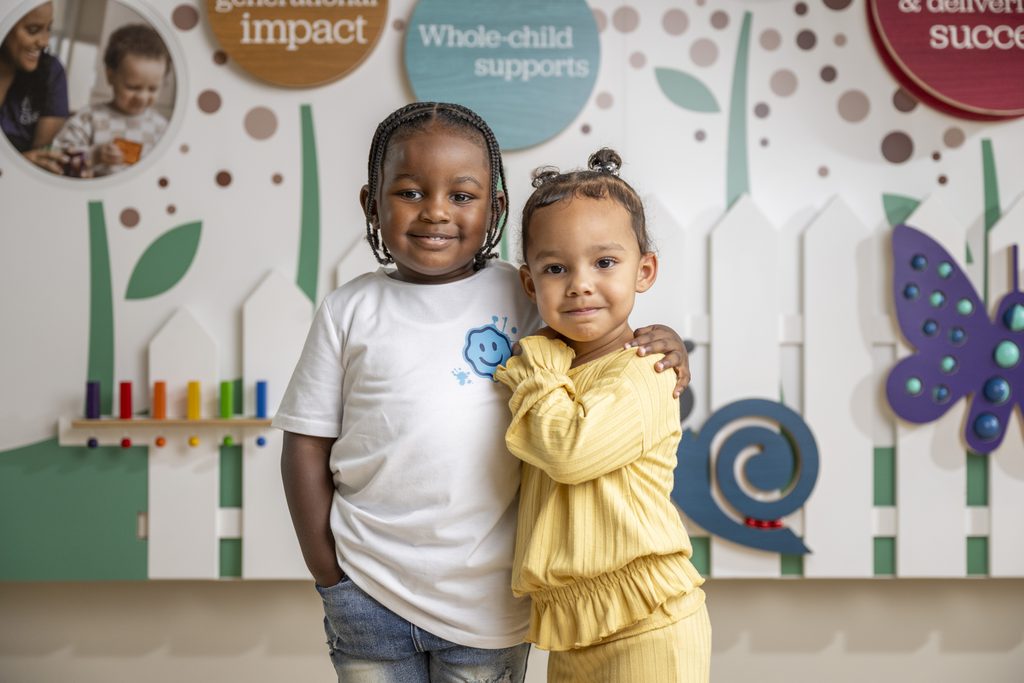
As your child gets older, you may notice them becoming more interested in what other children are doing. They might watch another child closely, copy their actions, or choose to play nearby.
At this age, children are still learning how to navigate being around others. They may have difficulty waiting, changing plans, or understanding another child’s point of view. That is part of learning. You can help by modeling simple ways to take turns, offering words for your child to use, and giving them plenty of opportunities to practice playing near others.
Preschoolers: Learning to play together
Around age 3, many children become more comfortable interacting directly with their peers. Your child may invite someone into pretend play, talk with another child while they play, or look for classmates who enjoy the same activities.
By ages 4 and 5, your child may begin forming stronger friendships and showing a preference for certain playmates. They are also developing a better understanding of cooperation, kindness, and how their actions affect others. Disagreements are still normal. Each one gives your child another opportunity to practice listening, communicating, and finding a positive way forward.
How you can support your child’s friendships
You do not need to solve every social challenge for your child. Instead, create opportunities for them to practice connecting with others.
Try these simple strategies:
- Give them time. Some children are ready to join a group right away, while others need time to watch before participating.
- Keep play simple. Building with blocks, drawing, pretending, or playing outside can give children natural opportunities to interact.
- Use everyday moments to practice. Encourage your child to say hello, ask to join a game, or wait for another person’s turn.
- Talk about feelings. Books and everyday experiences can help your child think about how someone else might feel.
- Listen when things go wrong. If your child comes home upset about a friend, listen first. Help them put words to what happened before jumping in with a solution.
Most importantly, there is no single path to friendship. Some children are naturally social, while others prefer smaller groups or need more time to feel comfortable. Your child’s social development is their own journey.
With your encouragement and plenty of opportunities to connect, your child can build confidence and learn the skills they need to develop positive relationships with others.
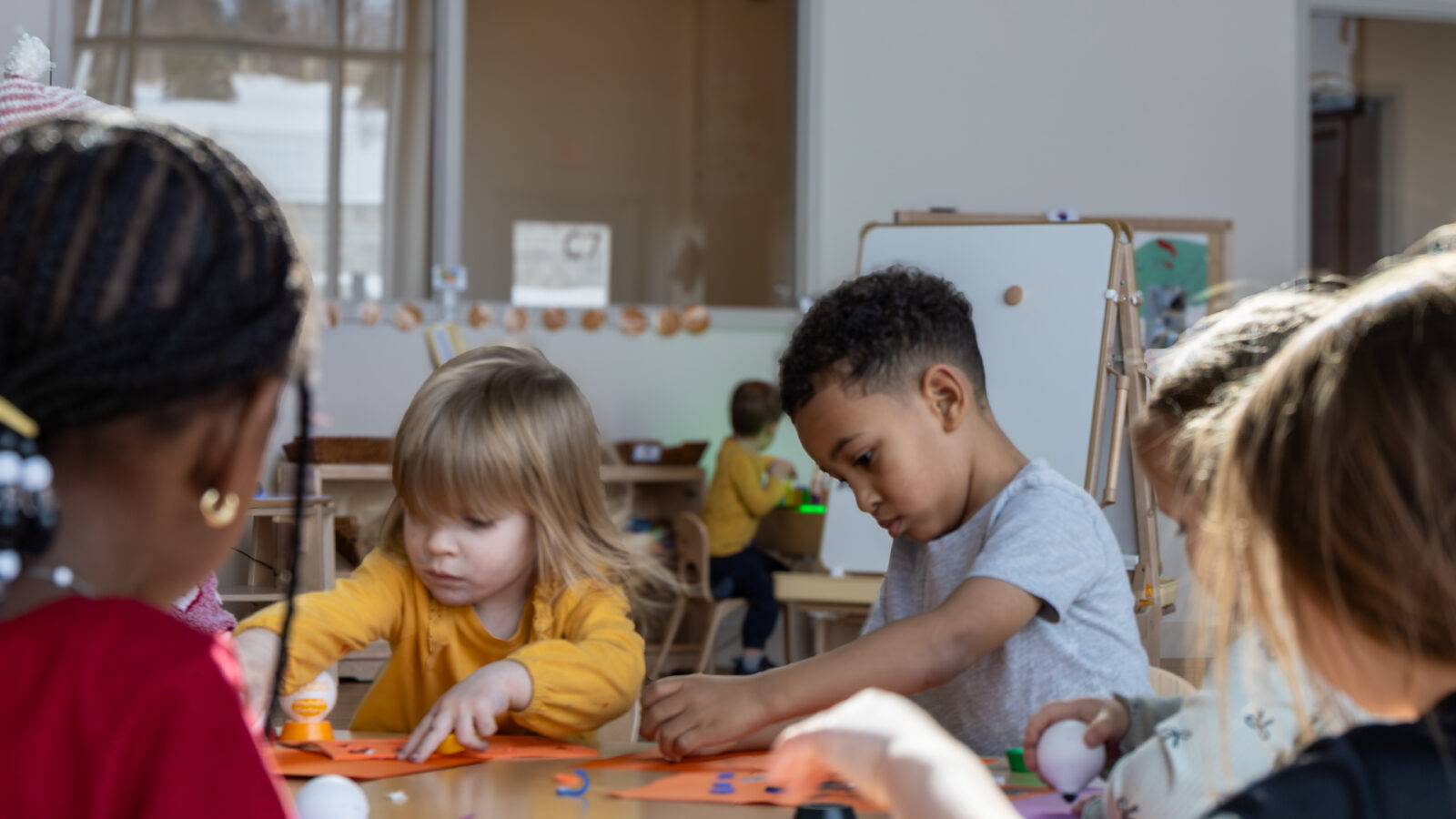
Why attendance matters in early childhood education
Maintaining a consistent schedule can be challenging with young children. However, regular attendance in early childhood education plays an important role in supporting your child’s learning and development. Consistent attendance.....
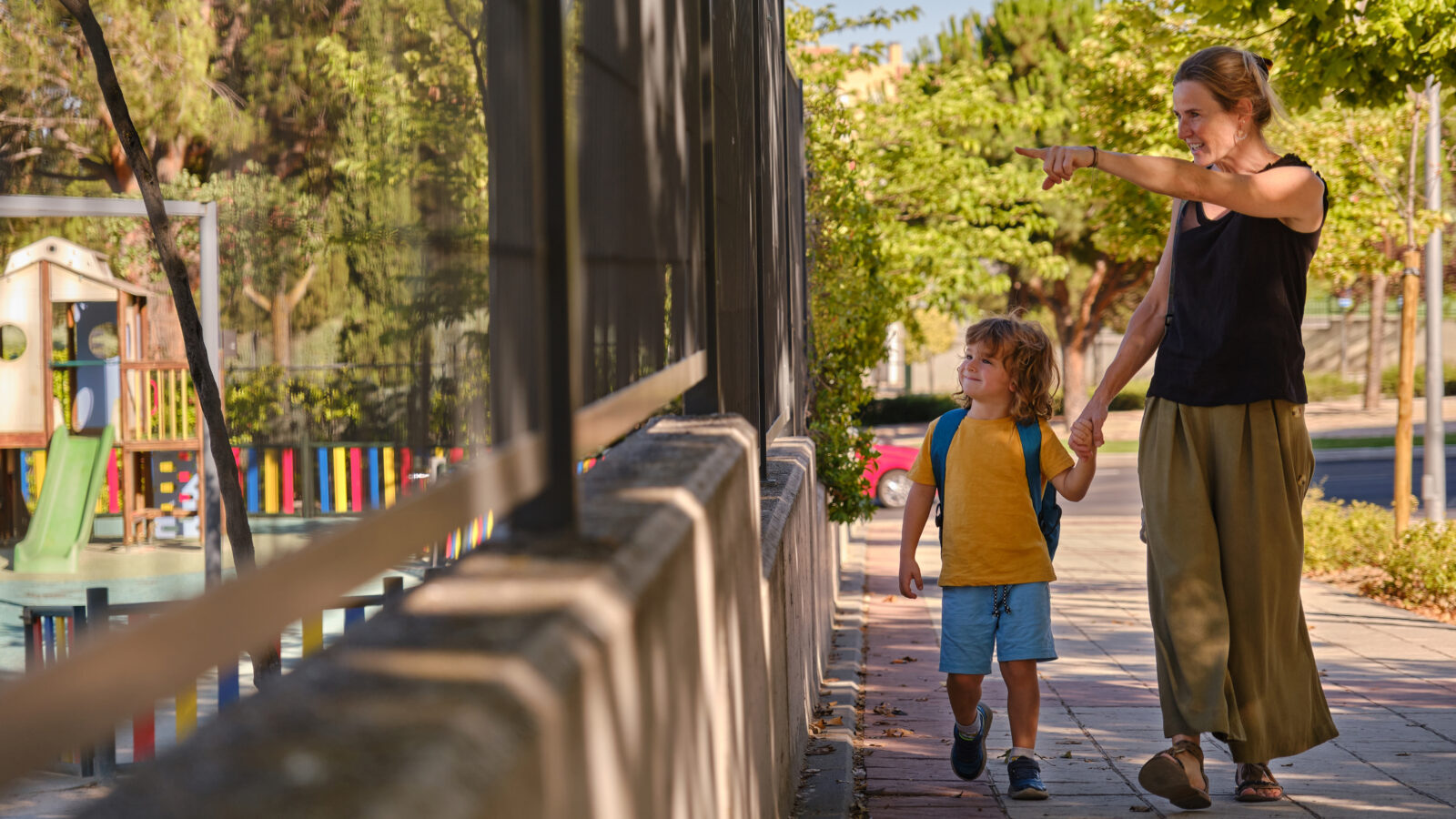
Starting Kindergarten: Tips for a Smooth Transition
For every child, the transition to kindergarten is a significant milestone. Regardless of whether your child has been in an Early Childhood Education (ECE) setting, like Catherine Hershey Schools for.....
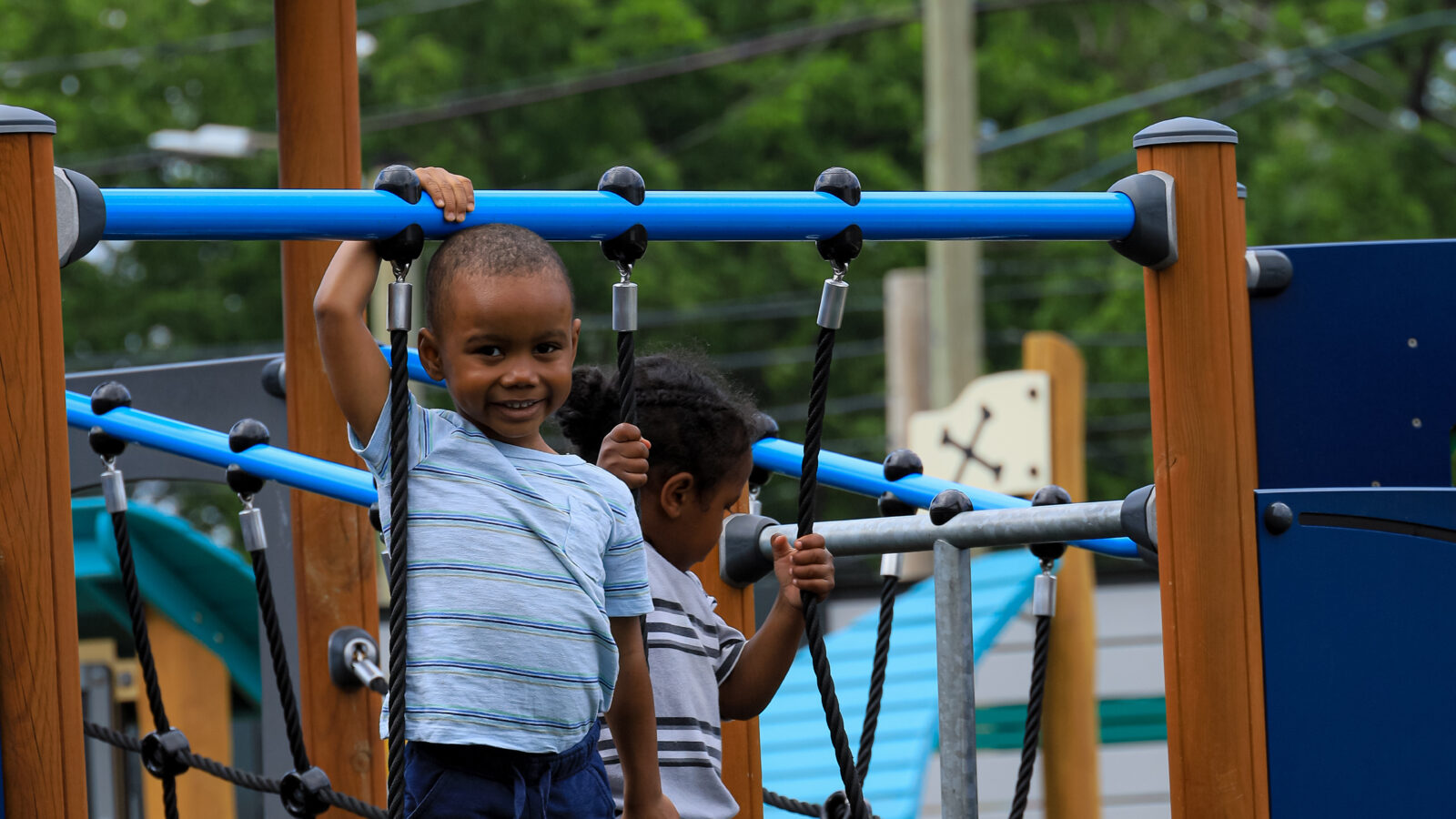
Make the most of summer’s final days: Free and low-cost family adventures
As the days get a little shorter, many families are looking for ways to soak up the rest of summer together. With a bit of planning, you can enjoy fun,.....
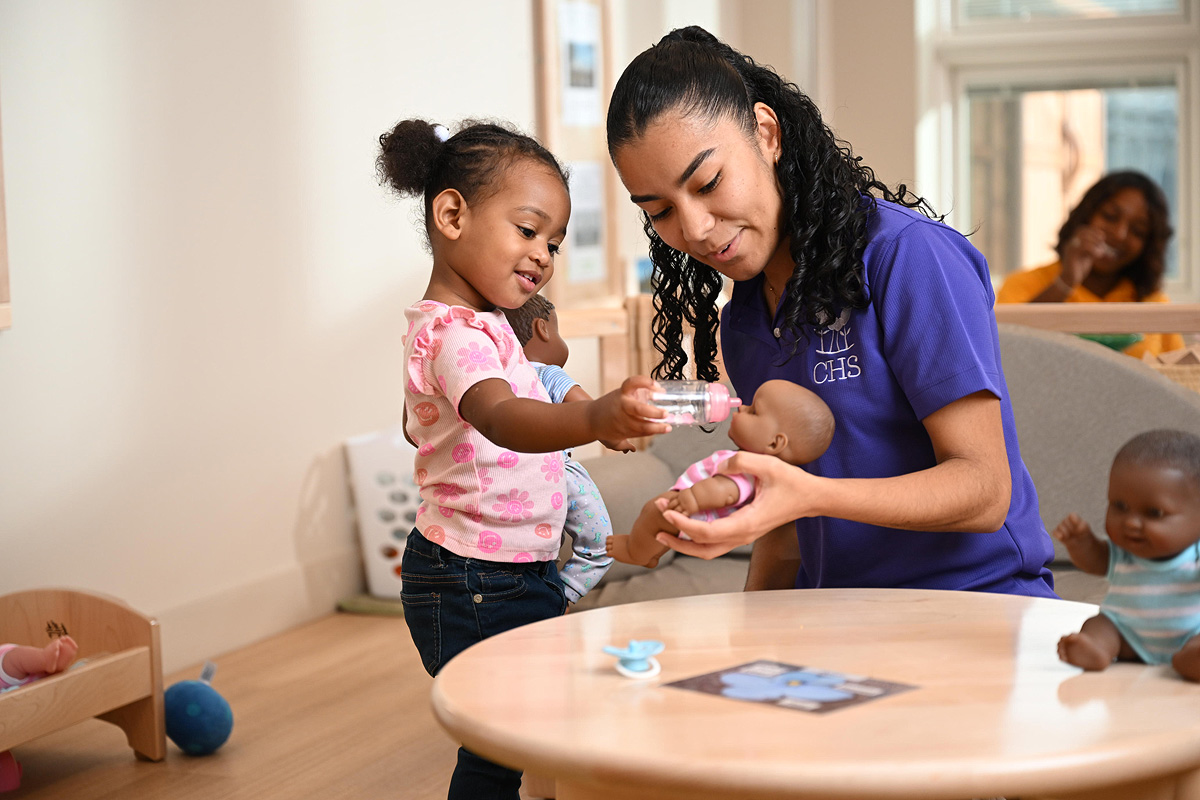
Boost your child’s development: The power of dramatic play at home
As parents and caregivers, we often observe our children engaging in dress-up and role-playing activities. While these may appear to be simple fun, they are fundamental to a child’s development,.....
