
CHS Thought Leaders in Action: Strengthening Leadership in ECE
At the NAEYC Annual Conference, CHS leaders Patrick Eckelmann and Dr. Rebekah Benedum highlighted how intentional systems, coaching pipelines, and structured development can redefine what it means to lead in early childhood education. Their session reinforced the CHS commitment to building confident, supported leaders who create stronger environments for educators, children, and families.
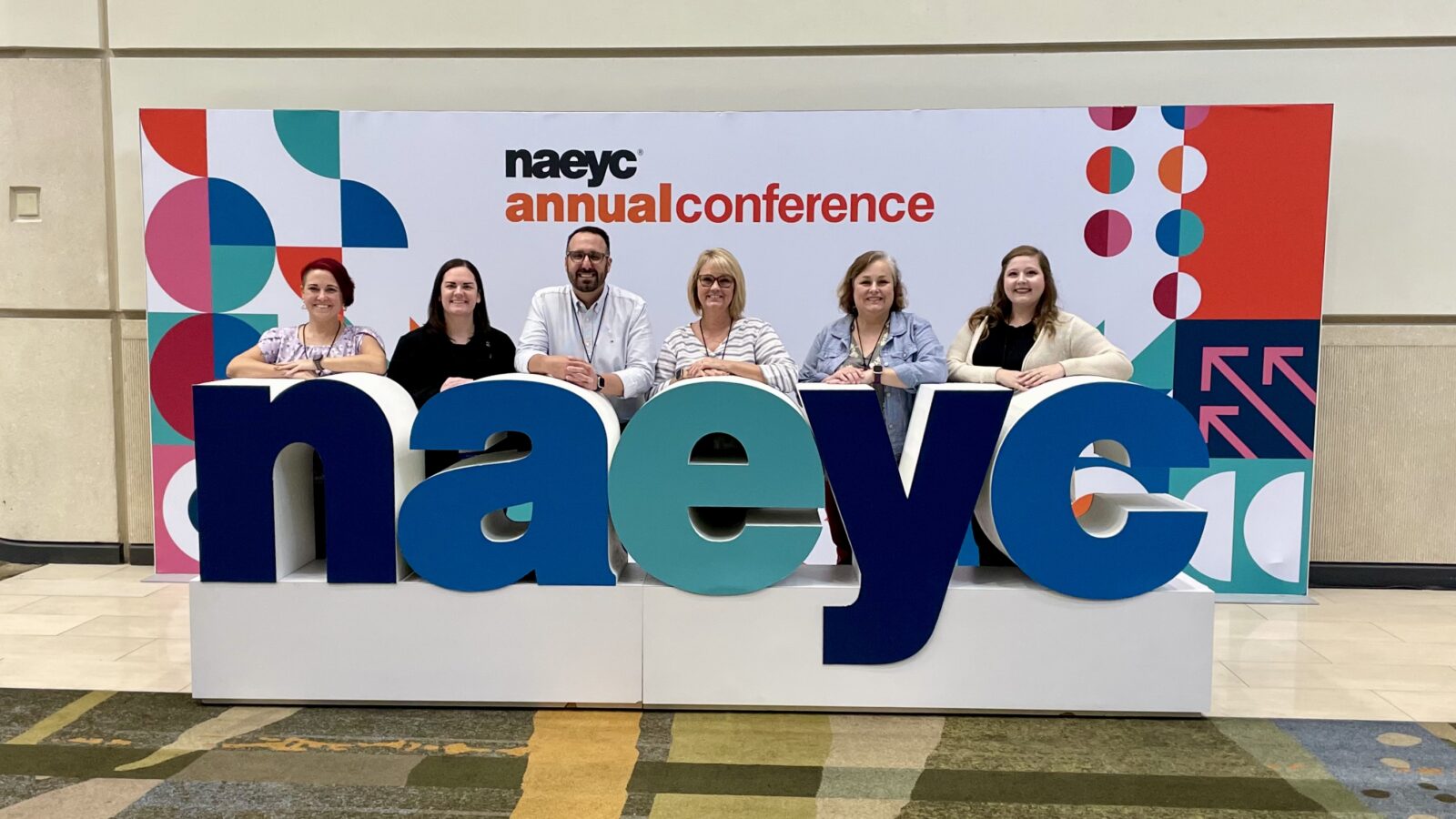
At this year’s NAEYC Annual Conference in Orlando, Florida, Catherine Hershey Schools for Early Learning (CHS) Learning & Development Manager Patrick Eckelmann, MS.Ed., and Senior Director of Programs Dr. Rebekah Benedum, EdD, shared insights on how intentional systems, coaching pipelines, and structed development can transform the experience of early childhood leaders.
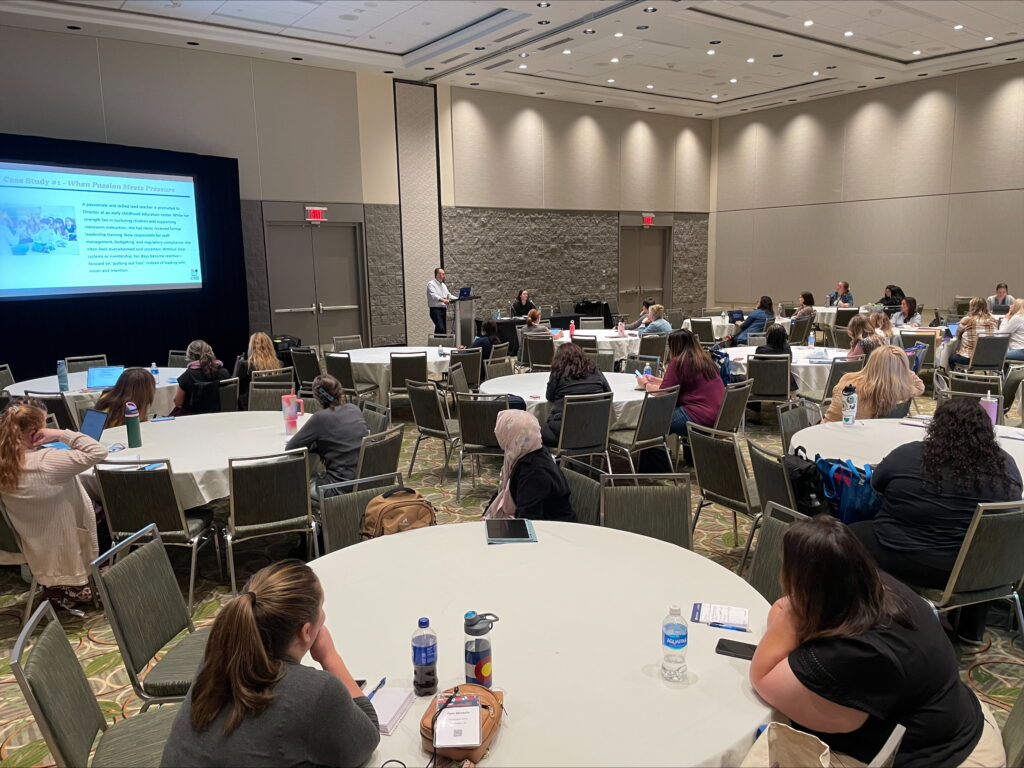
The session – titled Leadership Competencies in ECE, Wave Farewell to Sink or Swim – underscored our commitment at CHS to build strong, sustainable leadership that supports educators and strengthens outcomes for the children and families we serve.
Drawing from their 20-plus years of experience in early childhood education, Patrick and Rebekah explored how leadership is often treated as something educators “figure out as they go,” leaving many talented professionals stepping into leadership roles without guidance, mentorship, or clear expectations.
“Listening to participants share their ‘sink or swim’ stories reminded me of my own journey—times when I wished I had a leader to guide me through uncertainty,” Eckelmann said.
“Today, I realize many of us have become that leader for someone else. That’s powerful. It means we can break the cycle and ensure new leaders don’t have to navigate alone. Leadership isn’t just about managing tasks; it’s about creating a culture where people feel valued, equipped, and empowered. When we invest in leaders, we invest in the children and families they serve.”
About the Presenters
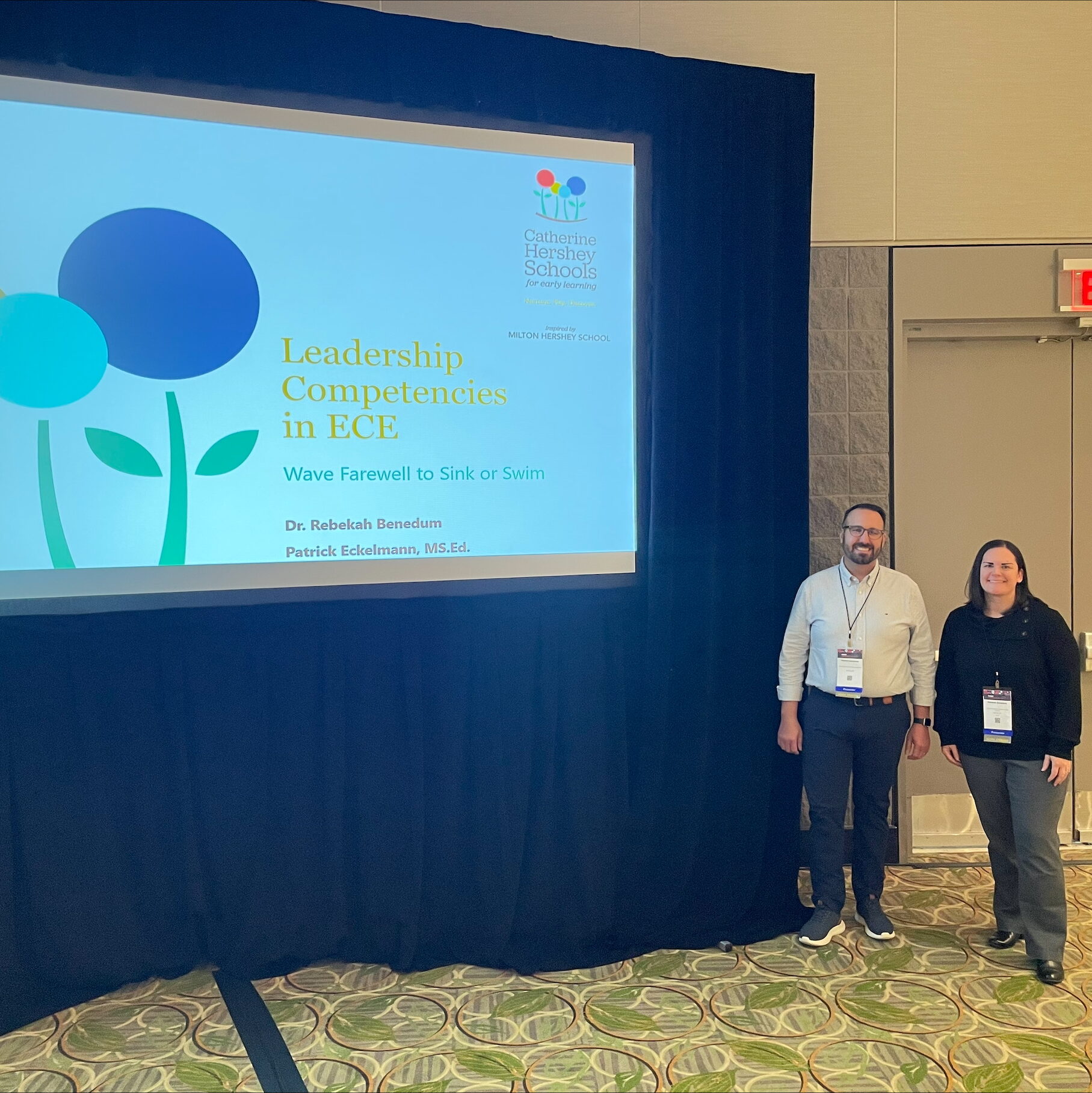
Patrick has been with CHS as the Learning & Development Manager since 2023, focusing on adult learning and supporting educators through professional development to effectively implement high quality curriculum.
He has worked in the ECE realm since 2002 serving in various educator roles in New York before coming to CHS including as an educator, teacher educator, instructional specialist, and director. Patrick holds both a bachelor’s degree and master’s degree in early childhood education from Brooklyn College.
Rebekah has also been with CHS since 2023, serving as the Senior Director of Programs. In her role, Rebekah oversees strategic vision of all aspects of programming, including health services, family success, curriculum, and professional development.
She has worked in ECE since 2009 in Wisconsin, Michigan, and Pennsylvania. Rebekah holds her Doctor of Education in Early Childhood Education from National University and completed her bachelor’s degree at Maranatha Baptist University and master’s degree at Concordia University.
Key Takeaways from the Session
Patrick and Rebekah outlined how intentional leadership development can move early learning programs away from survival-based leadership and toward confident, supported, and proactive leadership practices. Their framework included:
1. Core Leadership Competencies
Competencies such as adaptability, delegation, communication, and reflective practice serve as the foundation for confident and effective early childhood leaders. These skills enable leaders to create consistent, stable environments that elevate instructional quality.
2. Building Coaching Pipelines
Structured coaching and mentorship models ensure new leaders receive ongoing, personalized support. These systems reduce burnout, promote retention, and build a culture of professional growth.
3. Implementing Structured Development Plans
Tools such as 30-60-90 day roadmaps help leaders understand expectations, build strong relationships, and align their work with program goals. These plans transform leadership from reactive to proactive.
4. Reflective Practice as a Leadership Habit
Reflection strengthens self-awareness and cultivates emotionally intelligent leaders who are able to support teams through change, conflict, and complexity.
5. Moving Beyond “Sink or Swim”
Intentional leadership development breaks the cycle of unstructured promotion and ensures that new leaders are never left to navigate their roles alone.
Why It Matters
Leadership has a direct impact on program culture, instructional quality, and family engagement—all of which shape children’s development and learning outcomes. By investing in leadership systems that are intentional, equitable, and supportive, the ECE field can create stable, thriving environments for educators, families, and young learners.
CHS remains committed to advancing leadership that empowers rather than overwhelms. The work shared at NAEYC reflects our belief that when leaders are equipped with the right tools, training, and support, the entire early learning community benefits.

Empowering Parents as Their Child’s First Teachers
By Patrick Eckelmann, Learning & Development Manager at CHS for Early Learning When a child is born, they start a life filled with possibilities. While children grow and learn throughout.....

Early Literacy and Libraries: Building Strong Partnerships for Learning
Even before children start their formal educational journey at early learning centers, they have taken their first steps toward learning to read and write. Literacy doesn’t begin at kindergarten or.....

Not Just Books: How Educators Can Support Families in Promoting Early Literacy
“A reader lives a thousand lives before he dies…The man who never reads lives only one,” said George R.R. Martin, the American novelist. Reading is the foundation for exploring curiosity.....

How to Integrate STEM Learning in Early Childhood
STEM learning begins with everyday moments. From building with blocks to exploring nature outdoors, young children naturally engage in science, technology, engineering, and math as part of their daily routines......
