
CHS Thought Leaders in Action: Building Community Collaborations
At the PACCA ECE Summit, CHS Strategic Partnerships Manager Lindsay Knepp shared how intentional community collaborations can expand access to essential services for children and families. Her insights underscored CHS’s commitment to building equitable, supportive networks that help every child thrive.
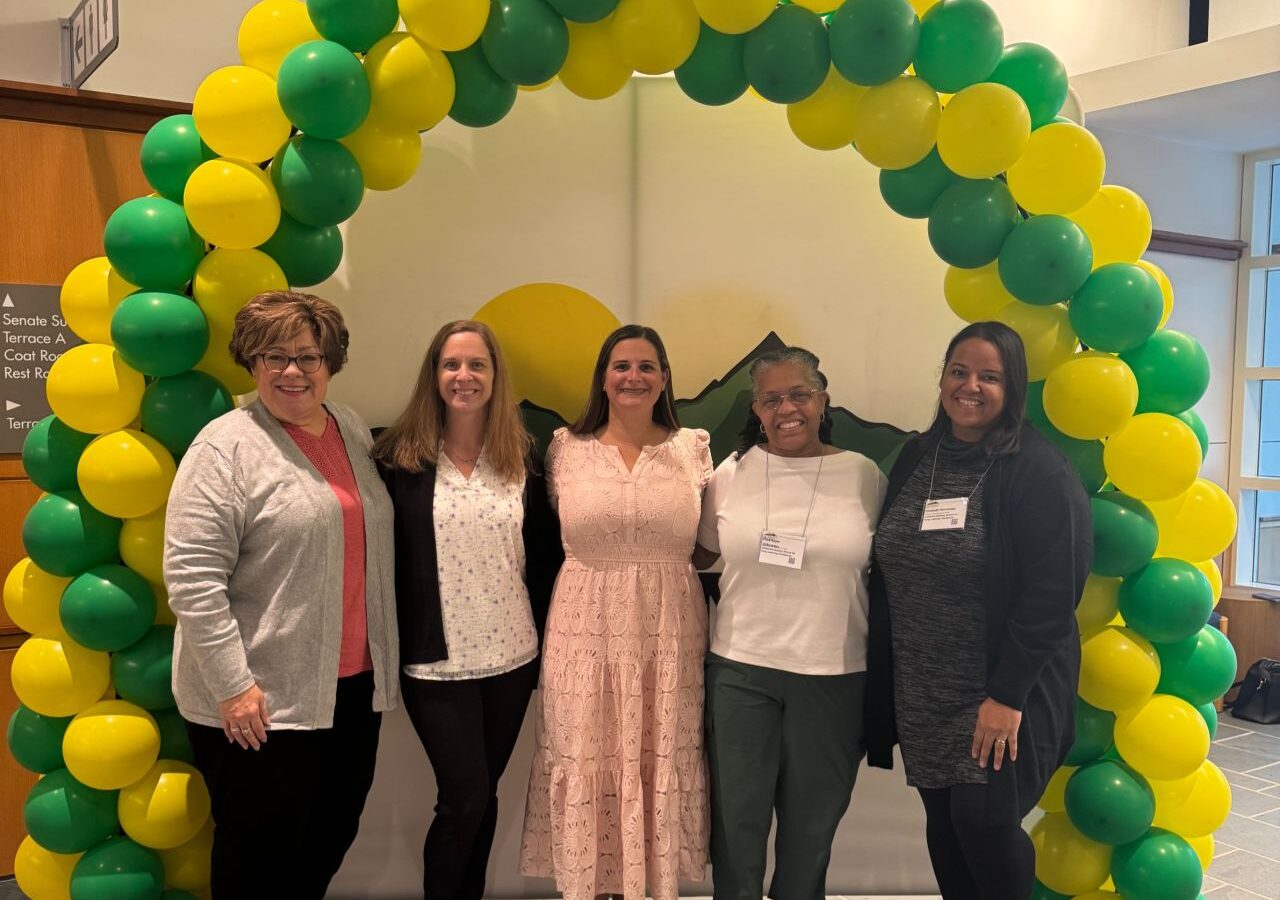
At this year’s PACCA Early Childhood Education Summit, Catherine Hershey Schools for Early Learning (CHS) Strategic Partnerships Manager Lindsay Knepp shared her expertise on community collaborations and how that can grow partnerships and remove barriers to service access.
Drawing from her 20 years of experience in social work and education, Lindsay explored how intentional partnerships and community engagement can make essential services more accessible to children and families. Her message reflected one of CHS’s core commitments that every child and family deserves equitable access to the resources they need to thrive.
“As a community, when we all come together and work collaboratively, the community’s ecosystem is able to better support children and families’ growth,” Knepp said.
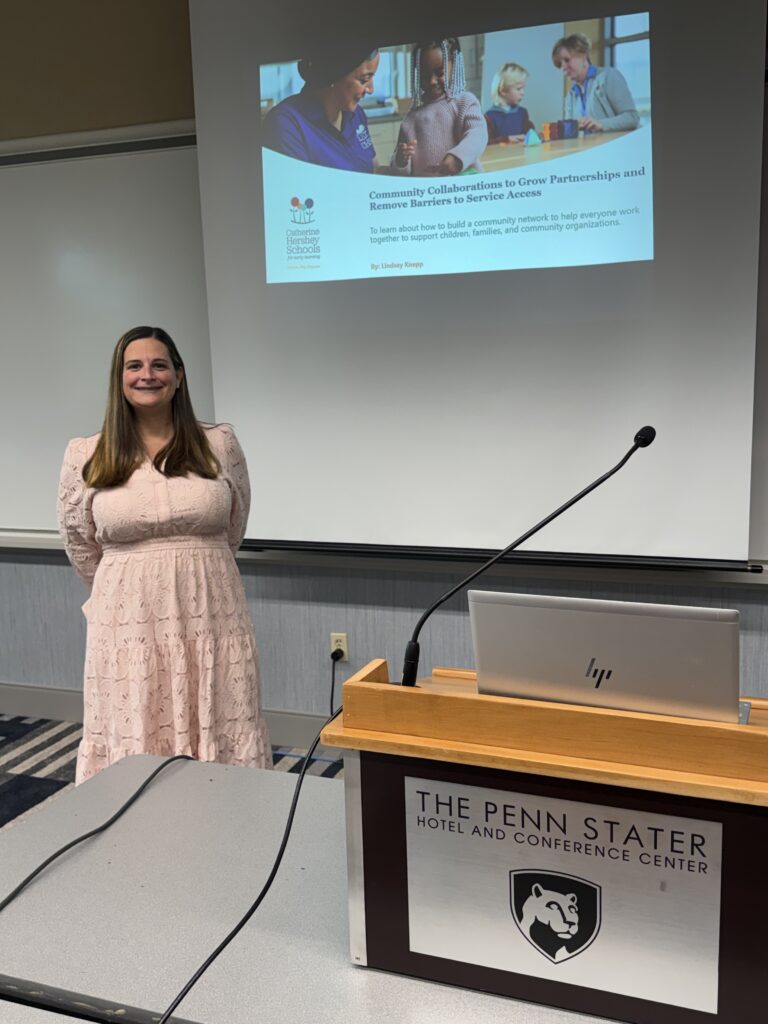
About the Presenter
Lindsay serves as Strategic Partnerships Manager at CHS, where she connects CHS Centers with local organizations that provide critical resources to support families, staff, and community leaders. A licensed social worker and President of the Pennsylvania School Social Work Personnel Board, she previously served 13 years as a school social worker in the Palmyra Area School District.
She holds a bachelor’s degree in Sociology and Criminology and a Master of Social Work from Millersville University of Pennsylvania, along with a Master of Education in Trauma and Resilience from Eastern Mennonite University. Beyond her professional life, Lindsay enjoys traveling with her husband and two children and has served for more than a decade on nonprofit food bank boards.
Key Takeaways from the Session
Lindsay’s presentation at the PACCA ECE Summit outlined how ECE professionals can use data, collaboration, and technology to bridge gaps in service access for families. Her framework included:
1. Understanding Your Population
Before designing partnerships or programs, educators and family advocates must understand the demographics and unique needs of the families they serve. These factors can include income level, cultural background, health status, and access challenges. Conducting needs assessments through surveys or focus groups can help programs tailor supports to real community needs.
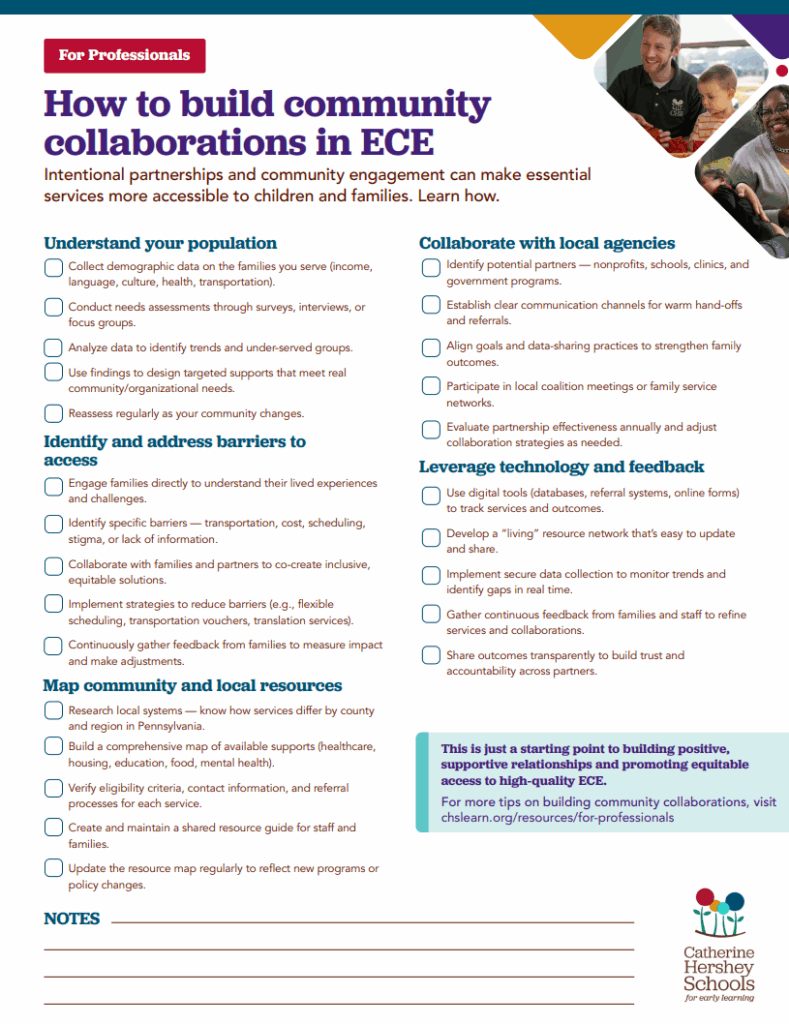
2. Identifying and Addressing Barriers to Access
Barriers like transportation, cost, stigma, or lack of awareness often prevent families from getting the help they need. By engaging directly with families and community partners, organizations can identify these obstacles and co-create solutions that promote inclusion and equity.
3. Mapping Community and County Resources
Because Pennsylvania’s systems vary by county, understanding regional differences in structure, eligibility, and service delivery is essential. It’s important to build comprehensive resource guides that map out healthcare, housing, mental health, education, and food services available locally.
4. Collaborating with Local Agencies
When Early Childhood Education Centers (ECECs) partner with nonprofits, service providers, and local agencies, they strengthen their collective impact. These collaborations streamline referrals, align support networks, and improve family outcomes.
5. Leveraging Technology and Feedback
Digital tools and data collection can make services more responsive. Creating living resource networks, using online referral systems, and maintaining feedback loops help programs adapt in real time to community needs.
Why It Matters
Positive relationships are vital in creating optimal outcomes for our youngest learners. Building strong community collaborations not only expands access to services but also deepens trust between families, educators, and local partners. Removing barriers and fostering connections can be key in helping children and families flourish.

Empowering Parents as Their Child’s First Teachers
By Patrick Eckelmann, Learning & Development Manager at CHS for Early Learning When a child is born, they start a life filled with possibilities. While children grow and learn throughout.....

Early Literacy and Libraries: Building Strong Partnerships for Learning
Even before children start their formal educational journey at early learning centers, they have taken their first steps toward learning to read and write. Literacy doesn’t begin at kindergarten or.....

Not Just Books: How Educators Can Support Families in Promoting Early Literacy
“A reader lives a thousand lives before he dies…The man who never reads lives only one,” said George R.R. Martin, the American novelist. Reading is the foundation for exploring curiosity.....

How to Integrate STEM Learning in Early Childhood
STEM learning begins with everyday moments. From building with blocks to exploring nature outdoors, young children naturally engage in science, technology, engineering, and math as part of their daily routines......
