
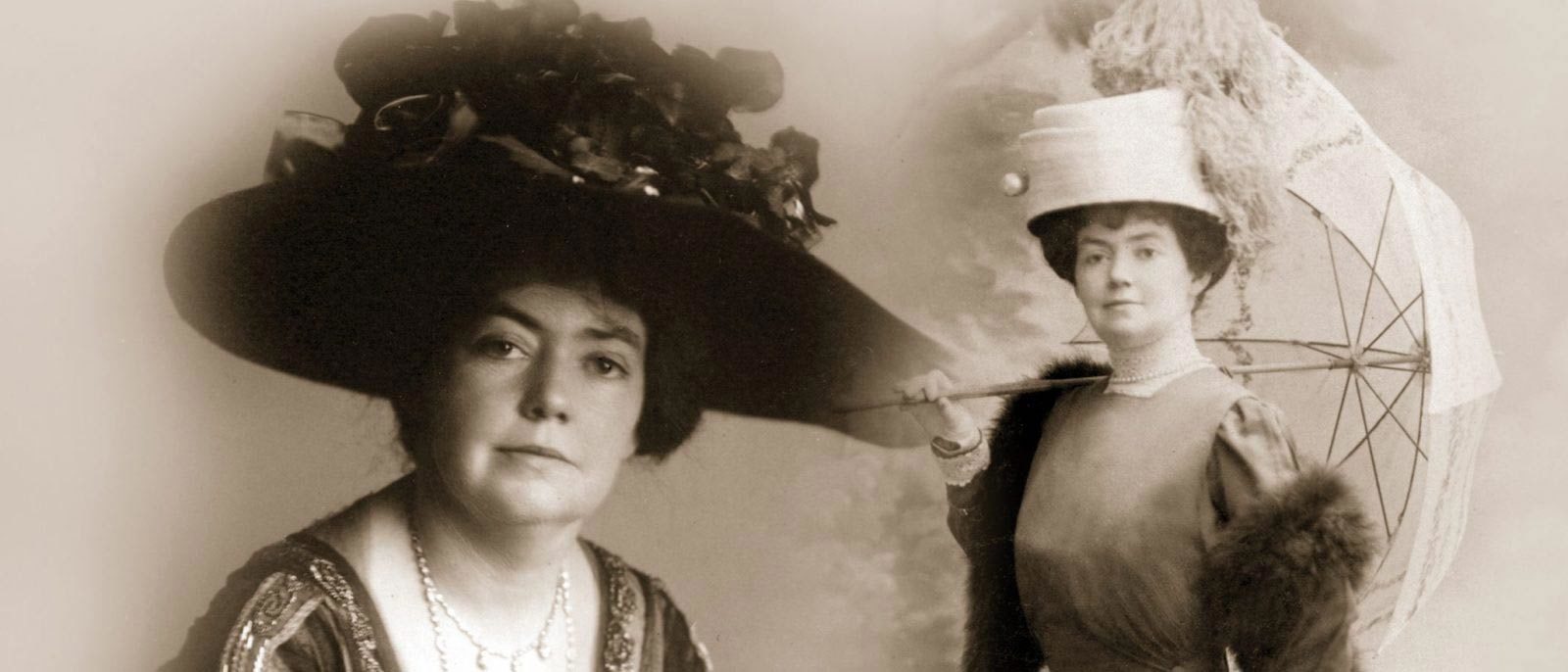
Catherine Hershey: The woman behind “Kitty’s idea”
“It was Kitty’s idea.”
Four words from Milton Hershey capture the influence of the woman who helped shape one of his most enduring legacies.
Catherine “Kitty” Hershey was more than Milton’s wife. She was a philanthropist, community-minded woman, gardener, and co-founder whose compassion for children helped inspire a vision that continues more than a century later.
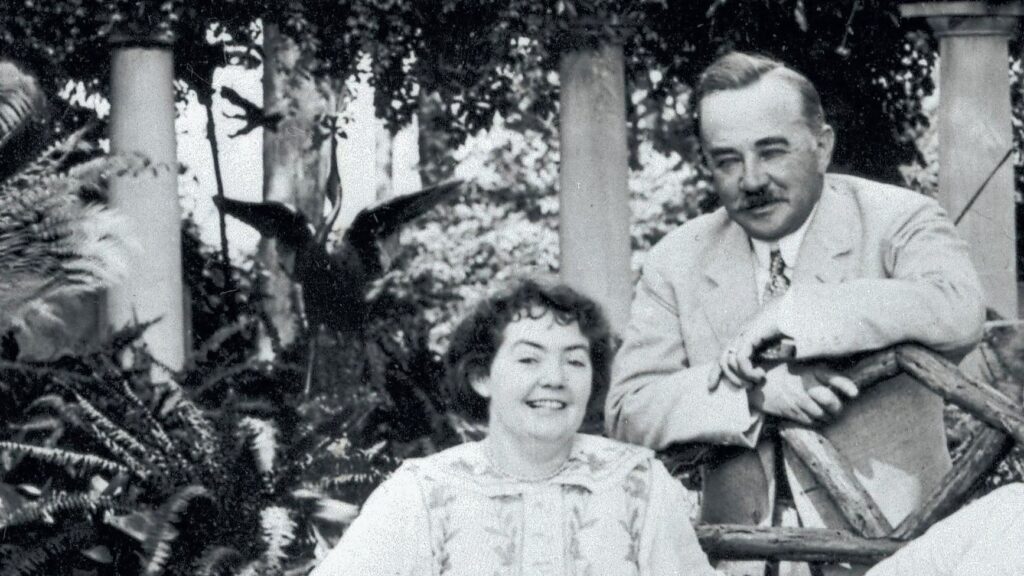
Born July 6, 1871, in Jamestown, New York, Catherine was the second of four children of Irish immigrants Michael William Sweeney and Catherine Elizabeth Maloney. She left Jamestown High School during her senior year in 1888 to work in a jewelry store and help support her family.
Her early independence and outgoing personality would remain defining parts of her life. Audiences will see this story brought to the big screen with the HERSHEY movie, debuting November 2026.
How Catherine met Milton Hershey
In 1897, Milton Hershey was traveling through Jamestown when he stopped at A.D. Work’s Confectionery. Catherine was there with friends, and the two met.
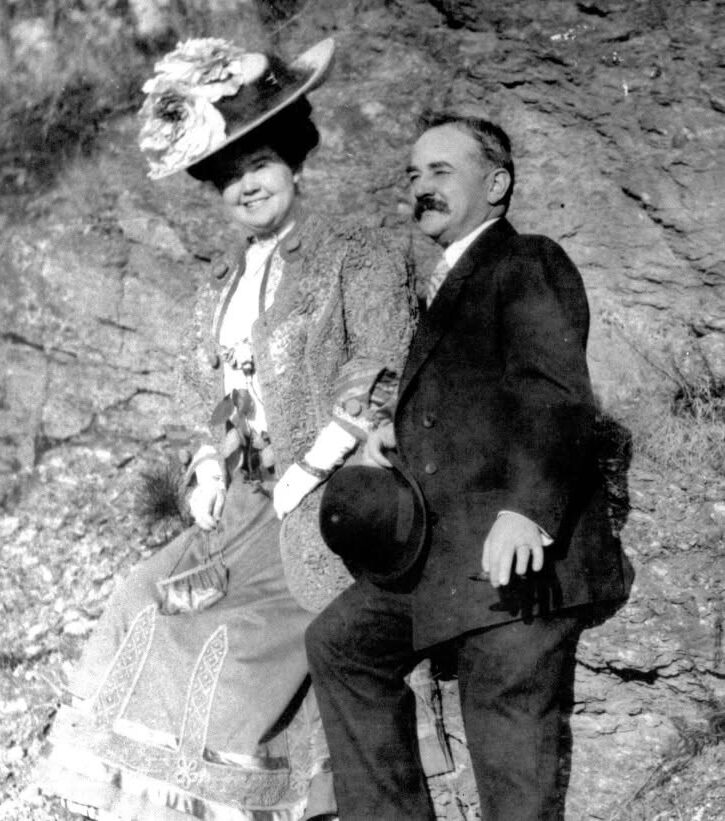
Catherine later moved to New York City, where she worked in the ribbon section of B. Altman Department Store. The couple married May 25, 1898, at the rectory of St. Patrick’s Cathedral in New York City.
After settling in Lancaster, Catherine became involved in her community and developed a passion for helping others. She supported the Lancaster Charity Society and contributed to causes that benefited families and children.
Her influence also shaped Milton’s growing interest in philanthropy. His first documented charitable gift was $5,000 to Franklin & Marshall College for a chemical laboratory. Catherine also contributed to St. Patrick’s Cathedral in Harrisburg.
Together, the Hersheys built a life centered on family, community, travel, and their home at High Point. Catherine took a particular interest in the home’s gardens and landscaping, helping create beautiful grounds that reflected her love of nature.
Milton brought her fresh flowers each morning, and after Catherine’s death, her roses remained a special reminder of her. He would sometimes ask his chauffeur to take him to the gardens so he could sit among “Kitty’s roses.”
Kitty’s idea
Catherine and Milton were unable to have children of their own. They decided instead to devote their resources to helping children who needed a home, an education, and an opportunity to thrive.

On November 15, 1909, the couple signed the Deed of Trust together, establishing the Hershey Industrial School, now Milton Hershey School.
Catherine was not simply an inspiration behind the idea. She was a co-founder who helped shape the school’s early home life, including menus, clothing, and social etiquette. She also hosted an annual breakfast for the boys at High Point.
And when Milton Hershey later described the origins of the school, he gave Catherine the credit, stating, “It was Kitty’s idea.”
The phrase has endured because it captures something fundamental about Catherine’s influence. Her legacy was rooted not simply in what she gave, but in her belief that resources could be used to improve the lives of others.
A life of courage and resilience
Catherine’s life was not without hardship. Beginning in the early 1900s, she experienced a debilitating illness that progressively affected her mobility and balance.
Those who knew her remembered her determination and love of life. Even as her health declined, she continued to enjoy traveling, entertaining, and spending time in her gardens.
Catherine died March 25, 1915, at age 43, after years of declining health. Her life was brief, but the vision she shared with Milton continued long after her death.
Milton never remarried and carried Catherine’s picture with him for the rest of his life.

Catherine’s legacy lives on
Today, Catherine’s legacy can be seen throughout the communities served by Catherine Hershey Schools for Early Learning.
Each CHS Center incorporates elements inspired by Catherine’s life, interests, and values.
STEM Gardens reflect her love of gardening, exploration and the outdoors, including the interactive “Kitty’s Hide & Seek” activity.
Classrooms are named after things commonly found in a garden, providing a subtle reminder of Catherine throughout children’s daily learning experiences.
Each center also features displays honoring her impact and the lives she helped change.

The Catherine Hershey Rose provides another living connection to her story. Introduced in 2023 through a collaboration between CHS and Hershey Gardens, the peach-colored rose was created to honor Catherine’s love of gardening and her lasting influence on children. Today, it grows at every CHS location, on the Milton Hershey School campus, and at Hershey Gardens.
At CHS, Catherine’s spirit is also reflected in the organization’s K.I.T.T.Y. values: Kind, Impactful, Trustworthy, Teachable and Your Best Self. They provide a modern expression of the qualities Catherine demonstrated throughout her life.
More than a century after Catherine Hershey helped imagine a better future for children, her influence continues to take root in classrooms, gardens, and communities.
From a young woman who left school to support her family, to a philanthropist and co-founder who helped change the lives of generations of children, Catherine Hershey left a legacy that continues to grow.
And perhaps no words capture that legacy better than those of her husband:
“It was Kitty’s idea.”
