
Car seat safety: Resources & best practices
Choosing and using the right car seat can help keep your child safe on every trip. Explore car-seat safety tips, best practices, and trusted resources to help make informed decisions.
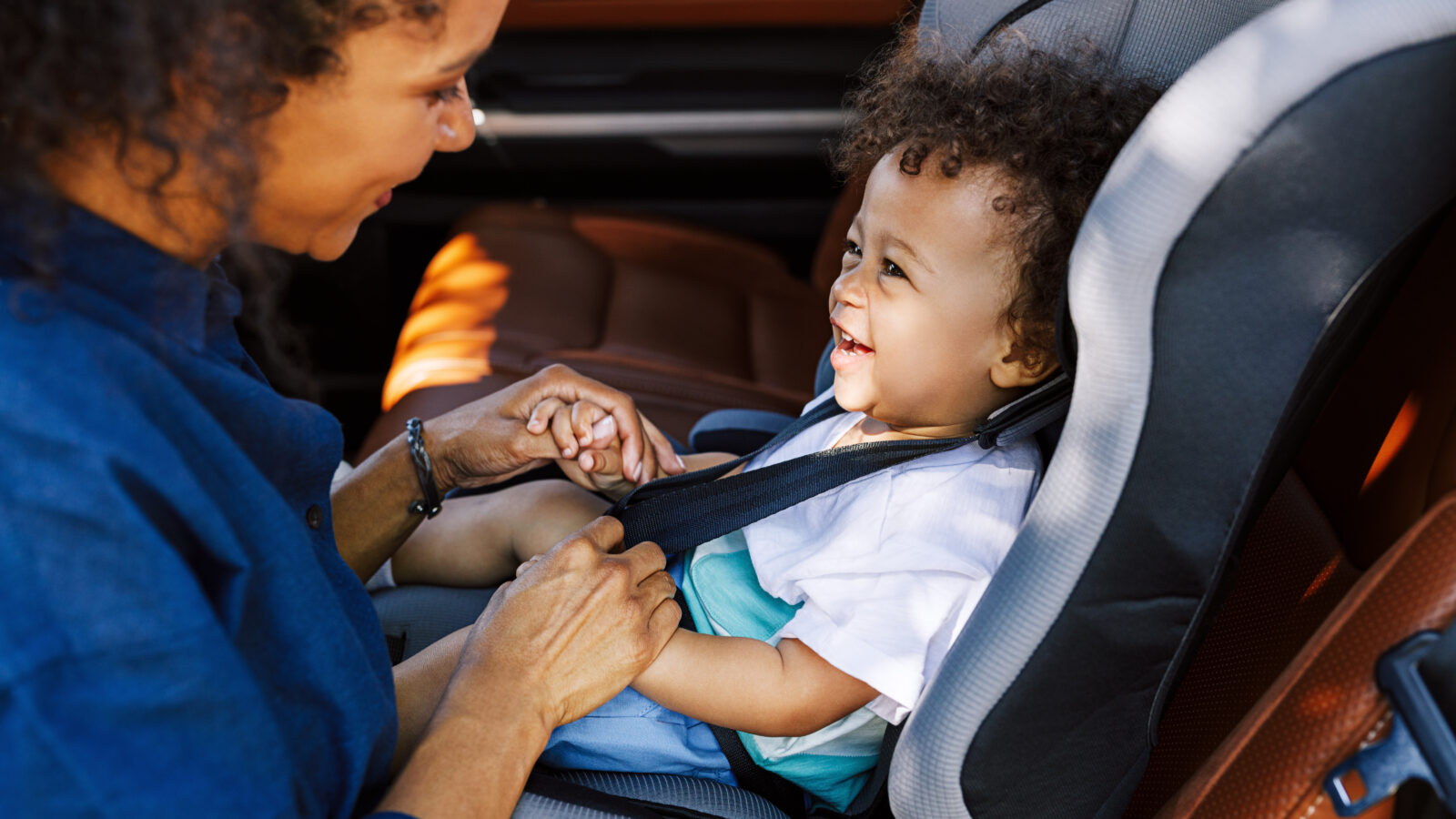
September is Baby Safety Month, sponsored annually by the Juvenile Products Manufacturers Association. Also in September is Child Passenger Safety Week. This brings us to the topic of car seats.
According to the Centers for Disease Control, 711 child passengers ages 12 and younger were killed in motor vehicle crashes in the United States in 2021. More than 63,000 were injured the previous year. Of the children who were killed in a crash, more than one-third (36%) were not buckled up.
While these are scary statistics, families and caregivers can make a lifesaving difference by ensuring babies and children are correctly secured in age- and size-appropriate car seats and boosters on every single trip. Additionally, all states and territories in the US require the use of car seats. They are all designed to meet stringent safety standards set by the federal government.
There are plenty of resources out there to help you along the way.
- American Academy of Pediatrics offers information on the types of car seats and best practices for installation.
- Learn about the pinch test, which allows you to ensure that your child is strapped in appropriately.
- Discover why dressing your child in heavy clothing can hinder their safety in the event of a crash.
- The American Academy of Pediatrics (AAP) has produced this Car Seat Product Listing for details about weight and height limits and estimated prices. Remember, though, that all car seats, no matter the price, are considered safe.
- As your child grows, families can use the car seat finder tool from the National Highway Traffic Safety Administration by filling in the child’s age, weight, and height to find the most appropriate seat. It also allows you to check for car seat recalls.
Other things to keep in mind are:
- Most car seats expire six years from the date of manufacture. Using an expired car seat could be dangerous as the components wear down and the technology becomes outdated. These dates can often be found under the seat or stamped onto the frame.
- Avoid second-hand car seats, as there is no way of knowing its history, including whether it has been involved in a crash. A crash, even a minor one, can jeopardize its effectiveness.
- Some big box retailers offer car seat trade-in events, where they accept and recycle infant seats, convertible seats, car seat bases, and harness or booster seats—even if they are damaged or expired. When you trade in your old seat, you will get coupons and discounts off new car seats, car seat bases, and travel systems.
- And finally, it is important to model the behavior we want to see in children. Make sure all adults in the vehicle buckle up, every time, every trip.

Helping your child make friends: What to expect at every age from 0-5
Watching your child begin to notice and connect with other children can be exciting. But if your child seems more comfortable playing independently or takes time to warm up to.....

Why attendance matters in early childhood education
Maintaining a consistent schedule can be challenging with young children. However, regular attendance in early childhood education plays an important role in supporting your child’s learning and development. Consistent attendance.....

Starting Kindergarten: Tips for a Smooth Transition
For every child, the transition to kindergarten is a significant milestone. Regardless of whether your child has been in an Early Childhood Education (ECE) setting, like Catherine Hershey Schools for.....

Make the most of summer’s final days: Free and low-cost family adventures
As the days get a little shorter, many families are looking for ways to soak up the rest of summer together. With a bit of planning, you can enjoy fun,.....
